Table of Contents
1.Introduction
2.Understanding Waist Trainers
3.Do Waist Trainers Actually Work?
4.Health Risks and Side Effects of Waist Trainers
5.Do Waist Trainers Strengthen Your Core?
6.FAQ
Introduction
Waist trainers have surged in popularity across fitness and fashion circles, often praised for shaping the waist, improving posture, and suggesting quick aesthetic results. Resembling modern corsets, they use compression to create an instant hourglass silhouette. However, their long-term impact remains debated. While waist trainers provide temporary sculpting, they cannot replace healthy habits like regular exercise and balanced nutrition. Experts caution that overuse may limit breathing, affect organ placement, or weaken core muscles. Understanding how waist trainers work—and their limits—helps separate social media hype from realistic expectations about safe and sustainable body shaping.
Understanding Waist Trainers
What Is a Waist Trainer?
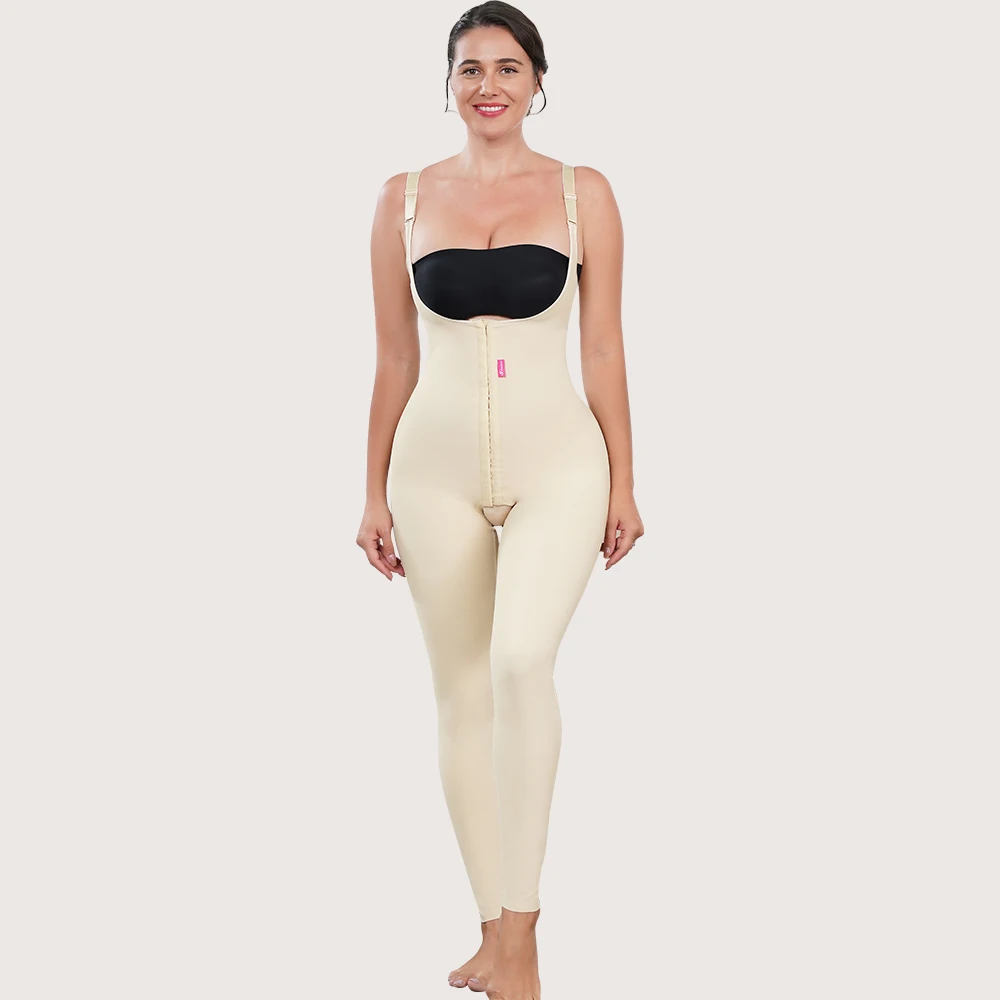
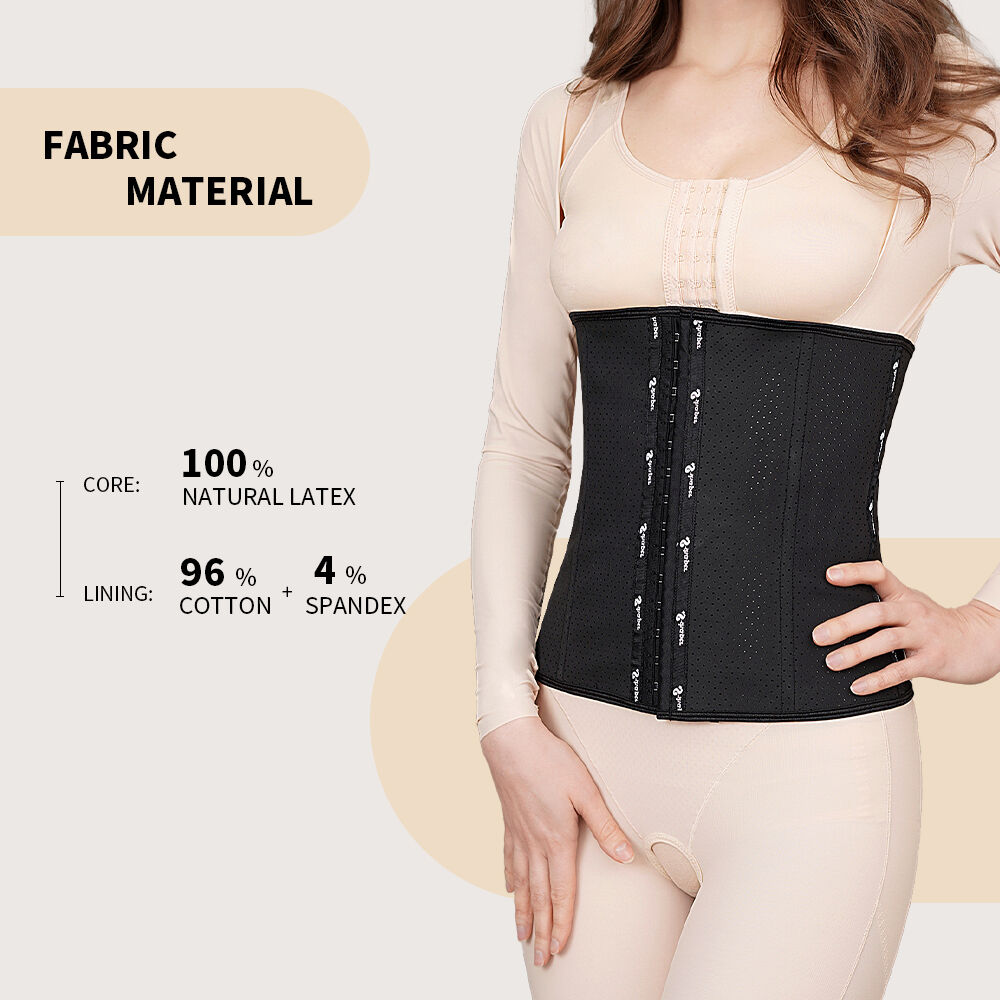
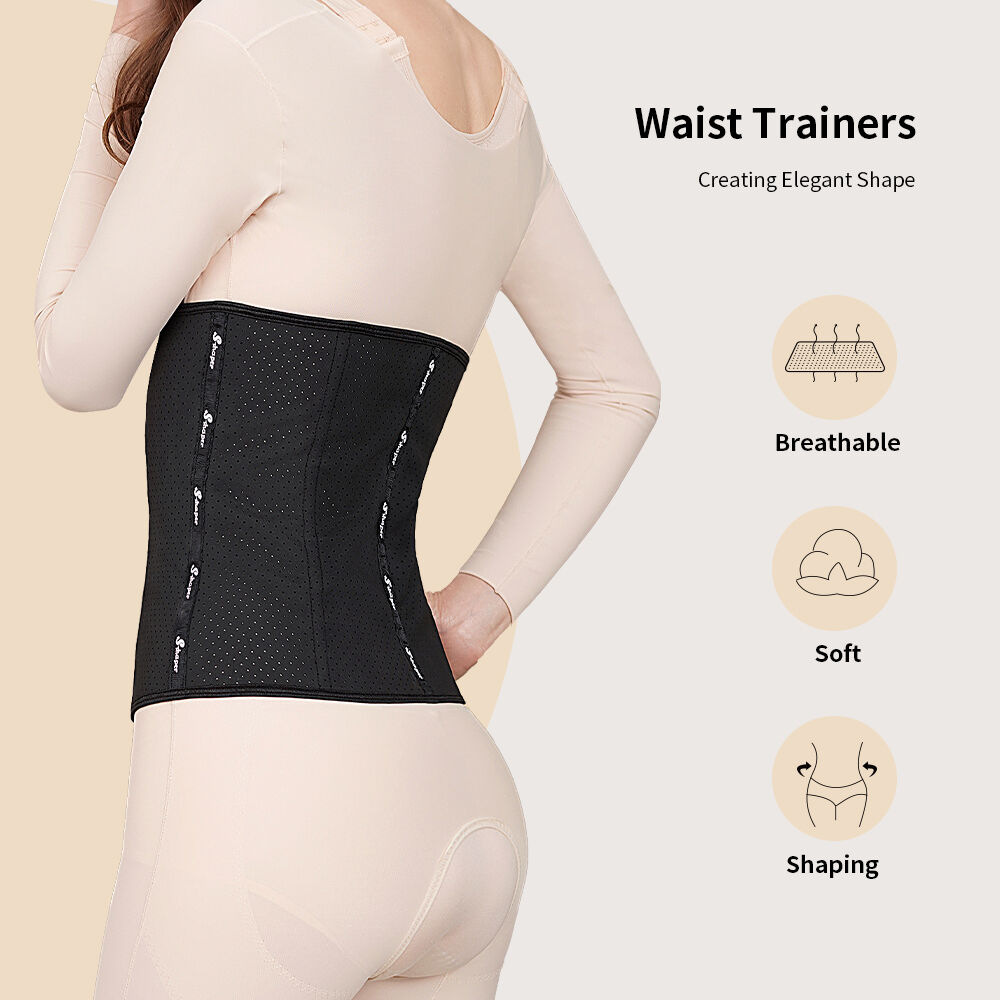
A waist trainer is a type of compression garment designed to wrap firmly around your midsection. It’s built much like a corset—a piece of clothing that first became popular in the Victorian era—but modern waist trainers have evolved significantly. Instead of stiff, steel boning and heavy lacing, today’s waist trainers often use a combination of flexible plastic boning, Velcro hooks, or seamless sculpted fabrics that blend better with everyday clothing. Some incorporate materials like neoprene for extra thermal activity, promising to “sweat out” inches during your workouts.
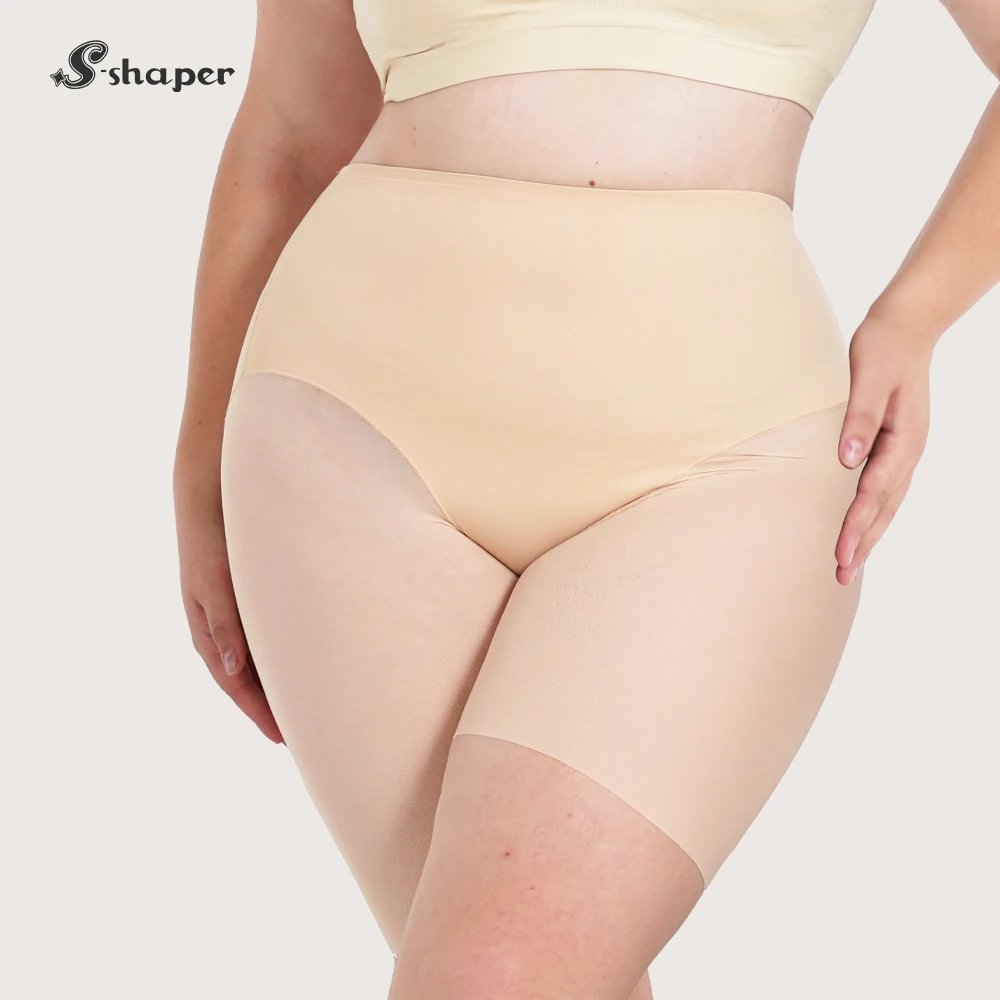
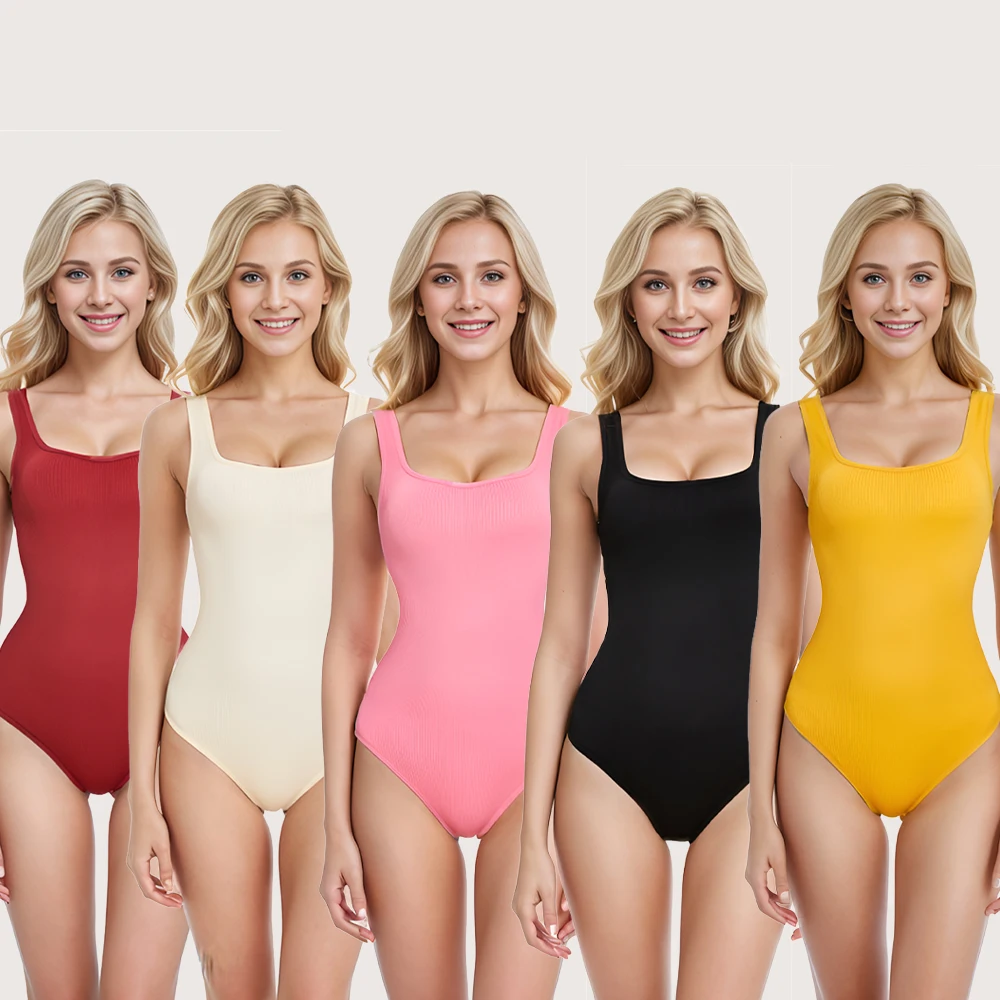
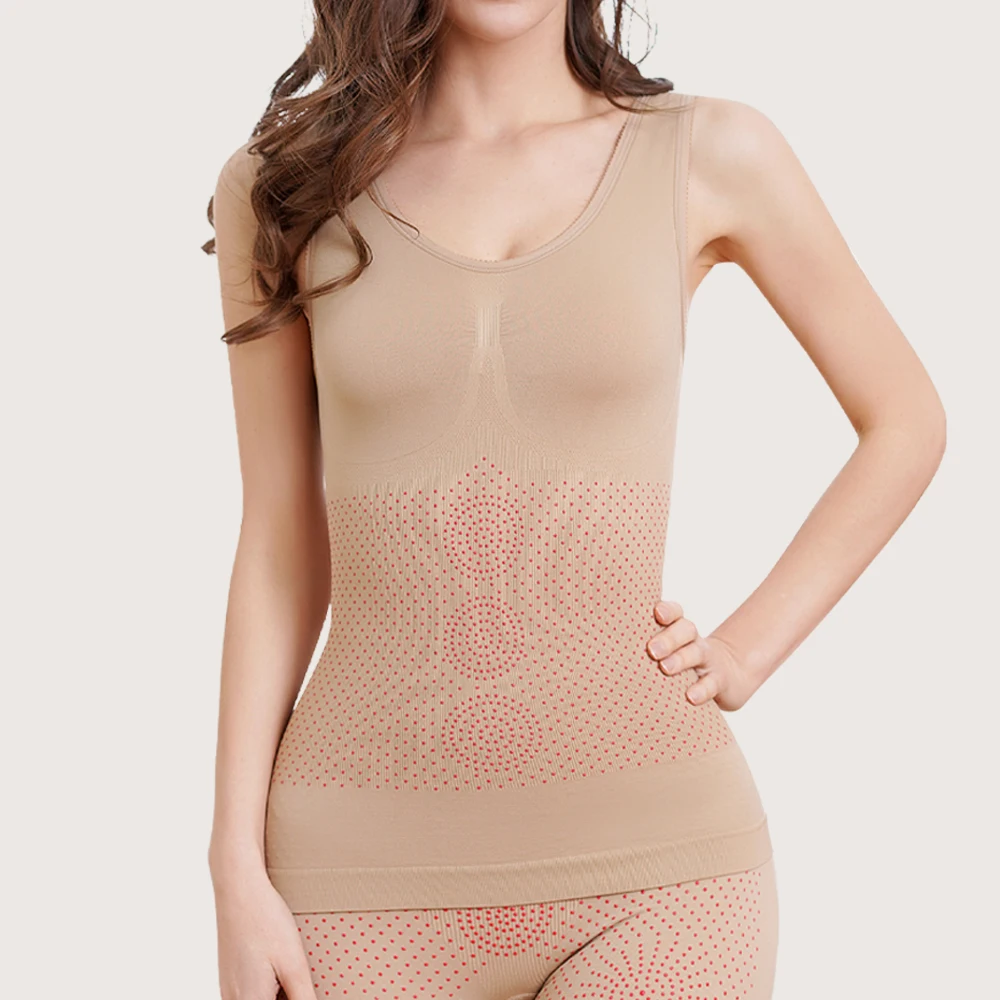
The core idea behind any waist trainer is compression. By squeezing your midsection, these garments create the appearance of an hourglass shape and can deliver immediate visual sculpting, drawing in your waist and making your silhouette appear curvier. Available designs range from simple bands to elaborate shapewear bodysuits that include attached shorts or bras for full-body support.
Types of Waist Trainers
| Type |
Material |
Closure |
Best For |
| Latex Waist Trainer |
Latex, Cotton |
Hooks, Velcro |
Workout enhancement, everyday wear |
| Steel-Boned Corset |
Steel, Cotton |
Laces |
Maximum compression, traditional look |
| Neoprene Waist Trainer |
Neoprene, Fabric |
Zipper, Velcro |
Thermal activity, sweating |
| Seamless Sculpt Waist Trainer |
Spandex blends |
Pull-on/hidden |
Under dresses, shapewear, no lines |
| Postpartum Compression Garment |
Nylon, Spandex |
Adjustable hooks |
Postpartum support, gentle shaping |
| Shaping Shorts/Bodysuits |
Nylon, Lycra |
Pull-on, hooks |
Lower body sculpting, subtle shaping |
How Do Waist Trainers Claim to Work?
Waist trainers are marketed on a few main promises:
● Sculpting an hourglass figure: By tightly compressing the waist, these garments claim to “train” your body into a classic hourglass silhouette, which is typically defined by a small waist and curvy hips.
● Posture support: The boning or reinforced panels in a waist trainer can make it harder to slouch, supporting the spine and straightening your posture while sitting or standing.
● Core compression and support: Some advertising claims suggest that keeping your core “hugged” by compression wear may provide ongoing support for your abdominal muscles and back.
● Appetite suppression: By placing constant pressure on the abdomen, some users report feeling fuller faster, thus eating less throughout the day—a claim that lacks strong clinical support.
● Postpartum and post-surgery recovery: Medical-grade compression garments are sometimes recommended after childbirth or abdominal surgery for extra support, swelling control, and gentle shaping.
Do Waist Trainers Actually Work?
Real Results: What to Expect from Waist Training
Waist trainers create an instant hourglass look through compression that temporarily slims the waist and enhances curves. However, this effect is purely cosmetic. Once removed, the body reverts to its natural shape, as studies show waist trainers do not burn fat or cause permanent body sculpting.
The Difference Between Temporary and Lasting Results
| Waist Trainer Effects |
Immediate |
Long-Term |
| Silhouette/Sculpting |
Hourglass effect while worn |
Body returns to normal post-removal |
| Posture Support |
Easier to sit/stand straight |
Can weaken core and back muscles over time |
| Appetite Suppression |
Feeling “full” sooner due to stomach pressure |
May cause digestive issues if used long term |
| Sweating (Neoprene trainers) |
Loss of water weight around waist |
Weight comes back after drinking fluids |
| Fat Reduction |
No true immediate fat loss |
No proven long-term fat loss |
Do Waist Trainers Work for Weight Loss or Fat Reduction?
Despite high-profile “before and after” photos, legitimate clinical evidence does not support the idea that waist trainers cause body fat to melt away or the waist to shrink permanently. Fat loss occurs when your body burns more calories than you consume, leading to general reduction in fat stores across the body—not just where you compress with a band or corset. Wearing a compression garment cannot override your body’s natural fat distribution.
● Exercise and diet remain the only scientifically proven methods for lasting fat reduction.
● Waist trainers may enhance sweating during workouts, but this is merely temporary water loss—not a reduction in fat.
Is It Possible to Achieve a Permanent Hourglass Figure?
It's important to debunk the myth that waist trainers can permanently sculpt your body shape:
● Short-term hourglass silhouette: Achieved only while wearing the trainer.
● No structural change to ribs or bones (unless performed for extreme durations or paired with unsafe tightening, which can cause injury—not healthy reshaping).
● The body reverts when the garment is removed.
Waist Trainers in Postpartum and Post-Surgery Recovery
There are valid medical uses for certain compression garments—specifically in contexts of postpartum support or after abdominal surgery. In these situations, devices are typically designed for gentle, targeted compression, supporting healing, core stability, and swelling management rather than cosmetic reshaping.
Key differences:
● Medical-grade compression wear is much less restrictive than fashion-focused waist trainers.
● Usage is temporary and monitored by healthcare professionals.
● The aim is support and healing, not body sculpting or dramatic size reduction.
● Postpartum uses include support for the abdominal wall, comfort after a C-section, or to help tissues realign.
Why Choose S-SHAPER?
Choose S-SHAPER for its OEM/ODM expertise in shapewear. Benefit from precision smart cutting (±0.5mm), seamless knitting technology, and eco-friendly, breathable fabrics. Enjoy full customization from design to branded packaging, plus flexible ODM/OEM options. Driven by a real user-centric story, S-SHAPER ensures quality, comfort, and on-time delivery, making it a trusted long-term partner for your brand.
Health Risks and Side Effects of Waist Trainers
Short-Term Side Effects of Waist Training
Wearing a waist trainer, corset, or other high-compression device puts your body under notable pressure, particularly in the abdomen and lower ribs. Even brief usage can trigger a list of uncomfortable side effects:
● Breathing difficulties: High compression limits your lungs’ capacity to expand, which can cause shortness of breath, dizziness, or even a fainting sensation. This risk increases during physical activity.
● Skin irritation and rashes: Prolonged sweating and friction—especially from neoprene or seams—often lead to itching, redness, or chafing. Neoprene trainers are notorious for trapping body heat, increasing risk of skin problems.
● Gastrointestinal discomfort: Tight garment pressure can compress the digestive organs, causing symptoms from mild bloating to acid reflux, nausea, or reduced appetite.
● Core muscle inactivity: The external support of boning and structure may prevent your own core muscles from working properly, leading to weakness over time.
● Sleeping discomfort: Attempting to sleep in a tight trainer often results in poor-quality sleep, back or rib pain, and even respiratory irregularities.
Common Short-Term Symptoms Table
| Symptom |
How It Happens |
Prevention |
| Shortness of Breath |
Excessive chest and diaphragm compression |
Use correct size; do not over-tighten or wear for too long |
| Skin Rash/Chafing |
Heat + friction + sweat + compression |
Wear a thin moisture-wicking base layer; keep skin clean; limit wear time |
| Heartburn/Reflux |
Stomach compression disrupts natural GI position/function |
Avoid wearing after meals; don’t eat large meals in a trainer |
Long-Term Health Risks of Waist Trainers
While a few hours in shapewear may only cause fleeting issues, extended or chronic use of waist trainers can lead to lasting harm:
● Rib and organ displacement: Repeated, high-compression can shift the lower ribs or compress vital internal organs (liver, kidneys, stomach), sometimes changing anatomy if used for months or years.
● Nerve impingement: Pressure on nerves in the waist and abdomen can cause numbness, tingling, or even chronic pain.
● Digestive complications: Prolonged reshaping compresses the digestive tract, increasing risk of constipation, indigestion, and irregular bowel function.
● Permanent core muscle weakening: Over-reliance on external support means less natural activation of the core and lower back stabilizers, affecting balance and functional strength.
Do Waist Trainers Strengthen Your Core?
How Core Muscles Actually Work
Your “core” includes a network of muscles—rectus abdominis, obliques, transverse abdominis, pelvic floor, lower back muscles—that stabilize your spine, support internal organs, and generate most movement, from walking to lifting. These muscles need to be activated and challenged through movement, resistance, or balance to grow stronger and more functional.
Required for Strengthening
● Active engagement: Muscles get stronger when they are regularly challenged through dynamic or static work (e.g., holding a plank, lifting a weight, or stabilizing in yoga).
● Progressive overload: This is the gradual increase in stress placed upon the body during exercise.
● Balance and flexibility: Strong core muscles are not only firm but can flex, rotate, and stabilize your spine alignment through various ranges of motion.
Why Waist Trainers Don’t Build Core Strength
A waist trainer, corset, or compression garment actually does the opposite of what’s needed for muscle growth. Instead of challenging the muscles, it replaces natural function with external support:
● Core muscles switch “off”: When tight shapewear or boning supports your torso, the deep core muscles may reduce their activation, essentially going "offline" as the garment does the work.
● Posture support becomes passive: While you may sit or stand straighter in a trainer, it’s not your own muscle engagement holding you in place. Over time, this can weaken both the abdominals and lower back stabilizers.
● False sense of core engagement: Some brands suggest burning fat or “toning” simply by sweating or “holding in” the stomach while compressed, but this is not the same as resistance-based strengthening.
FAQs About Waist Trainers
Can waist trainers improve posture?
Yes, but only temporarily. Waist trainers, especially those with boning or structured panels, straighten the spine by making it harder to slouch. This can give the sensation of improved posture support while worn. However, since the support is passive—provided by the external compression garment—your core and back muscles may become less active over time. For lasting improvements in spine alignment and posture, core strengthening exercises and ergonomic habits are much more effective.
Can waist trainers actually sculpt your waist permanently?
No. Waist trainers create an hourglass figure by compressing soft tissue, but do not remove or “burn” fat, nor do they cause anatomical change to the ribcage or spine for most healthy adults. Once the garment is removed, your silhouette returns to its natural body shape. Permanent sculpting occurs only with diet, exercise, or surgical procedures—not compression.
Can you sleep in a waist trainer?
It is not recommended. Sleeping in a waist trainer increases the risk of:
● Breathing restriction and reduced oxygen intake,
● Nerve compression and numbness,
● Sleeping discomfort and disturbed sleep cycles,
● Increased danger of developing waist trainer rash from night sweat and friction.
For safe usage, always remove compression garments before bed.
How long should you wear a waist trainer each day?
Most experts suggest no more than 4–8 hours per day.
● Start with shorter sessions (1–2 hours) to monitor for side effects.
● Never wear a size too small, and never wear if you experience sharp pain, numbness, or breathing issues.
● Avoid prolonged wear during meals, exercise, or sleeping.
Can men use waist trainers?
Yes, men can use waist trainers, particularly for posture support, back pain, or temporary visual sculpting. Some compression wear is marketed specifically for male body shaping and spine straightening, but the same rules of caution, comfort, and safe usage apply.

 Hot News