Table of Contents
1.Why Do My Bra Straps Keep Slipping Off My Shoulders?
2.The Top 5 Reasons Why Your Bra Straps Fall Off Your Shoulders
3.Other Reasons & Common Bra Fit Issues
4.How to Prevent Bra Straps from Slipping Off Your Shoulders
5.Troubleshooting: What to Do If Your Bra Straps Still Fall Down
6.Conclusion
Why Do My Bra Straps Keep Slipping Off My Shoulders?
Chronic bra strap slippage is more than just an irritation—it’s a signal that something isn’t quite right with your bra fit or bra style.
Key Factors That Influence Bra Strap Slipping:
● Bra size (both band size and cup size) being off, even by a small amount
● Strap adjustment: Too loose or stretched out
● Shoulder shape: Narrow or sloping shoulders are more likely to have issues
● Bra style: Certain designs, such as balconettes or bras with wide-set straps, are more likely to slip
● Elasticity and age of the bra: Worn-out bras can’t hold their position as well
The Top 5 Reasons Why Your Bra Straps Fall Off Your Shoulders
1. Wrong Bra Size
The number one cause of bra straps slipping off shoulders is wearing the wrong bra size. A poorly fitting bra, whether too large or too small in the band or cups, simply can’t distribute weight and tension as it should. When the band size is too big or the cup size too small or large, the straps lose their correct anchor point.
2. Poorly Adjusted or Too-Long Bra Straps
Even the most high-quality bra can become a nuisance if the straps aren’t adjusted correctly. Many people underestimate the value of regular bra strap adjustment. As straps age, they lose elasticity and will stretch out, requiring more frequent tightening. Problems can also come from setting straps too long in an attempt to avoid “digging in.”
How Strap Adjustment Impacts Support:
● Short straps may dig in and cause discomfort (but rarely slip).
● Long straps lack tension and “hover” over the shoulder, resulting in slippage—especially with movement.
● Elastic wears out with time. Regular laundry, especially machine washing, hastens this process.
Adjustment Guidelines:
● Try the two-finger rule: after tightening, you should be able to comfortably fit two fingers between the strap and your shoulder.
● Adjust straps every time you put your bra on—especially after washing.
● Replace bras with straps that no longer stay at the proper adjustment, even after tightening.
3. Narrow or Sloping Shoulders
Anatomy plays a significant role in whether your straps stay put. Sloping shoulders or narrow shoulders create a natural slope for straps to “slide down” and gravity to do its work. Some shoulder shapes, especially those with soft, rounded muscle definition, barely provide an anchor point for traditional straps.
Solutions for Narrow or Sloping Shoulders:
● Racerback bras: The central yoke or “X-back” design holds straps closer in, keeping them secure even on the slope.
● Bras with crossed straps or convertible backs: These bras allow you to custom-position the straps to match your body geometry.
● Shoulder pads for bra straps: Special pads or cushions increase grip and surface area, preventing slipping.
● Bralettes or bras with slip-proof or silicone straps: These add friction.
4. Bra Wear and Tear
No matter how much you love a favorite brassiere, it can’t last forever. Worn-out bras lose their shape, support, and, most importantly, the elasticity of bras in both the straps and the band.
Signs Your Bra Is Past Its Prime:
● The elastic feels “loose” even after tightening.
● You see visible fraying, stretching, or broken stitching.
● The band or straps revert to loose immediately after adjusting.
● Cups and underwire lose structure, leading to gaping or poor overall fit.
Other Reasons & Common Bra Fit Issues
1. Bra Overflow, Gaping Cups, and Cup Spillage
If your bra cups are too small, you might experience bra overflow—where breast tissue spills out over the top or sides. This often shifts the bra’s position on your body and causes the bra straps to be pulled outward, reducing contact with your shoulders, and increasing slippage. On the other hand, gaping cups (cups that wrinkle or cannot lie flat against your breast) occur when the cups are too large or the wrong shape for your bust. This extra space can encourage your straps to move excessively and lose their grip.
Common Signs:
● Tissue bulging out of the cup (overflow)
● Cups forming wrinkles or sitting empty at the top (gape)
● Needing frequent adjustments
Solution:
● Revisit your cup size.
● Try full-coverage or contour cup bras if you regularly experience overflow.
● Consider a fitting for specialty cup shapes (like plunge, balcony, or molded styles).
2. Underwire Problems & Band Issues
A bra’s underwire should lie flat against your rib cage, not dig into breast tissue or float away from your chest. If your underwire isn't in the right place—or if it pops out unexpectedly—your support system is compromised, affecting the stability of your straps. Similarly, a band that is too loose (riding up your back) or too tight (digging in painfully) can disrupt the distribution of support, putting undue stress on your straps and leading to slipping or discomfort.
Facts & Tips:
● Underwire vs No Underwire: Some prefer wireless bras, especially for comfort. But underwire bras provide more structure if your straps are slipping due to cup instability or sagging.
● The underbust band should fit snugly (you should only be able to fit one finger comfortably between your skin and the band).
3. Using Bra Extenders & Other Unsuitable Modifications
Bra extenders can seem like a convenient fix when a band feels tight, but they actually shift the anchor points of your bra straps, moving them farther apart and increasing the likelihood of slippage. Overusing extenders or other “hacks” may provide temporary comfort but at the cost of fit, support, and longevity.
How to Prevent Bra Straps from Slipping Off Your Shoulders
1. Choose the Correct Bra Sizes & Fit
Getting the right bra size transforms the way straps sit and provide bust support. Both band size and cup size are essential. If the band is too big or the cup too small, the bra can’t create proper tension between shoulders and bust.
Fitting Guidelines:
● Measure at home using a soft tape measure. Measure your underbust band firmly, and measure your bust at the fullest point.
● Use a reputable bra size calculator or have a professional fitting done at least yearly.
● Remember: Brand sizing can differ. Try on multiple sizes for the “perfect fit.”
● Check the fit in three areas: Band (should sit firm and horizontal), cup (encapsulates tissue smoothly), straps (secure but not tight).
2. Adjust the Straps Regularly
Even high-quality bras require regular strap adjustments, as everyday movement and gravity slowly alter the tension.
How to Adjust for the Perfect Fit:
1.Stand upright and put on your bra as usual.
2.Slide the strap adjuster until the straps sit comfortably—neither digging in nor drooping.
3.Use the “two-finger” test: you should be able to slip two fingers underneath the straps, but not more.
4.Repeat periodically—elasticity of bras naturally changes over time.
3. Select Suitable Bra Styles for Narrow or Sloped Shoulders
For those with narrow shoulders or sloping shoulders, strap placement and bra style is crucial to prevent slippage. Certain bra styles are specifically engineered for better grip and stable support.
4. Use Bra Accessories (Strap Cushions, Guards, and Pads)
Bra accessories offer a simple, non-permanent approach for extra stability without having to buy a whole new bra wardrobe.
Popular Accessories:
● Shoulder pads for bra straps: Increase surface area, distribute pressure, and boost grip—excellent for sloping shoulders.
● Strap cushions or guards: Made of soft silicone or foam, these keep straps in place and relieve “dig-in” discomfort.
● Bra strap clip/J-hook: Temporarily converts straps into a racerback for outfits or for days requiring extra security.
Troubleshooting: What to Do If Your Bra Straps Still Fall Down
1. I’m in the Right Size, But My Bra Straps Still Slip
It’s common to feel frustrated if your bra fits well in the band size and cup size, yet your straps continue to slide. The culprit here is often your shoulder shape or the bra style—not necessarily the fit.
Action Steps:
● Reevaluate your shoulder slope. If your shoulders are sloped or rounded, standard straps may always migrate toward your upper arm. (See the table below for best style matches.)
● Experiment with styles: racerback bralette, triangle bralette, or crossed straps often make a dramatic difference for tricky shoulders.
● If you love a particular standard bra, try a bra strap clip or a J-hook to pull straps centrally.
2. Try Bra Styles and Innovations Geared for Unique Bodies
Brands are increasingly designing bras to meet specific body needs, including ones with slip-proof straps, extra grip material, or even customizable strap locations.
Look for Features Like:
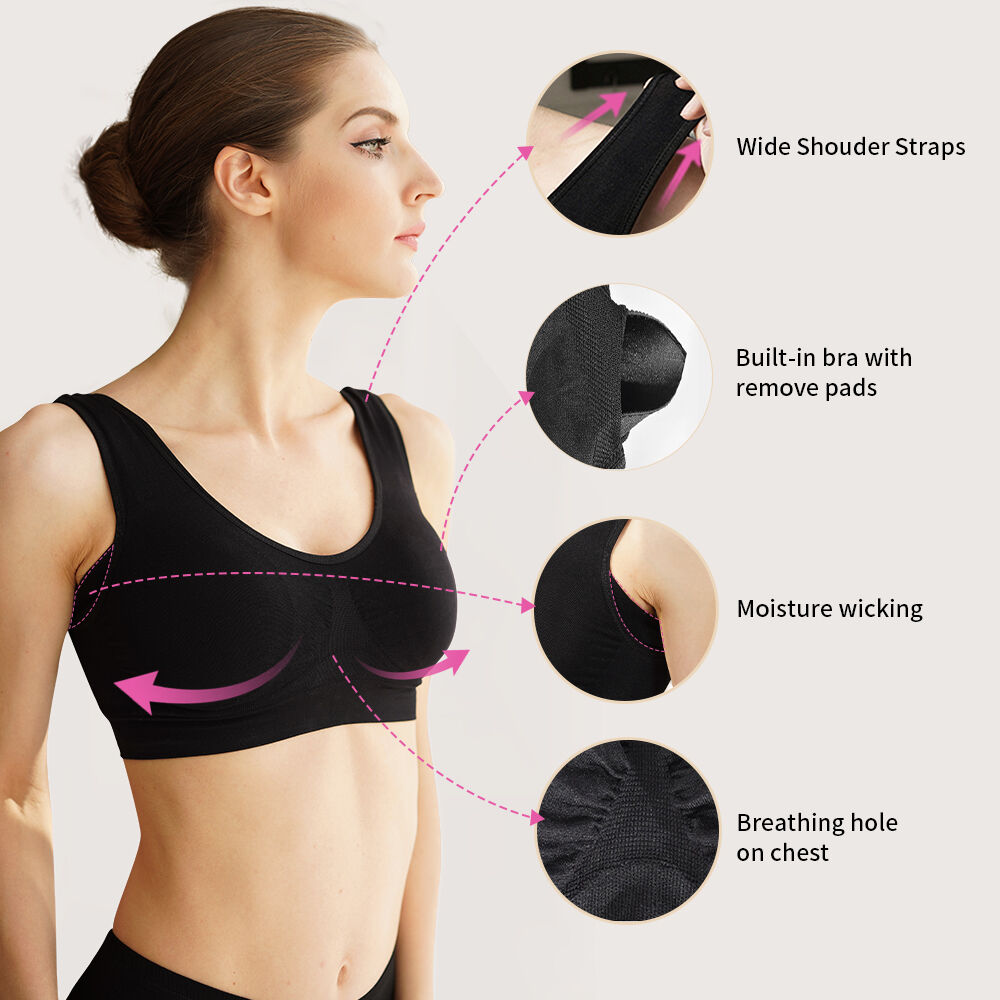
● Wider or thicker straps (better weight distribution and stability)
● High-quality elastic (greater resilience and shape memory)
● Multifunctional bras with straps that can be worn in multiple directions
3. Consult a Professional Fitter—In Person or Virtually
Don’t underestimate the expertise of a professional bra fitter! Even if you’ve measured yourself at home, nothing replaces the keen eye of someone who has fitted hundreds (or thousands) of bodies.
Professional fitting can help with:
● Diagnosing elusive fitting problems (such as those caused by unique torso proportions)
● Recommending the best lingerie brands and bra alternatives
● Teaching you fitting tricks you may never have tried
4. Don’t Forget Bra Maintenance—It Makes a Difference
Persistent strap problems are sometimes due to small, overlooked habits in bra maintenance:
● Over-washing, especially in hot water, destroys elasticity.
● Never rotating (wearing the same bra days in a row) hastens wear.
● Tossing bras into a dryer quickly ages straps and the band.
Conclusion
Bra straps slipping off your shoulders signal issues with fit, style, or wear. Get professionally fitted at least once a year, especially after body changes. Regularly adjust and maintain your bras—wash gently and store properly. If you have narrow shoulders, choose racerbacks, crossed straps, or slip-proof designs for added support. Replace bras that have stretched out or lost shape to maintain comfort and confidence. In the meantime, use helpful accessories like strap clips or cushions to keep straps in place.

 Hot News