Table of Contents
Introduction
Pregnancy brings profound physical and emotional changes, from shifting hip alignment and swelling to rapid weight gain, all of which can affect daily comfort and confidence. Many women start looking for supportive, practical, and stylish maternity wear, and those who enjoyed shapewear before pregnancy often wonder if it is safe to continue using it. This guide explores that question from medical, physical, and emotional angles, explaining when and how maternity-specific shapewear can be used safely, and when high-compression options like waist trainers or corsets should be avoided. It also compares different compression levels, highlights alternatives such as belly bands and maternity support garments, and discusses postpartum pieces that may aid comfort and support after delivery, including following a C-section. Drawing on expert recommendations and real-world experiences, the aim is to equip every expectant or new mother with clear, trustworthy guidance so she can make informed choices that prioritize her health, her baby’s well-being, and her own sense of confidence.
Why Do Pregnant Women Consider Wearing Shapewear?
Common Reasons Expectant Moms Turn to Shapewear
1. Extra Support for Changing Bodies As the pregnancy progresses, women can experience muscle fatigue, aching backs, and swelling. Shapewear with light compression and targeted panels around the lower back, belly, thighs, and buttocks can provide gentle lift and support, making daily movements less strenuous.
2. Enhanced Comfort in Clothing Maternity garments are often loose-fitting, but some women prefer a more streamlined appearance under dresses or work attire. Seamless, stretchy shapewear smooths lines, making clothes drape better and minimizing discomfort from rubbing seams or riding waistbands. Leggings, high-waisted briefs, and full-panel shorts are frequent go-tos for comfort.
3. Confidence and Self-Esteem Even as the belly grows, many still want to feel their best at baby showers, work events, or social occasions. Shapewear tailored for pregnancy can help women feel more secure by offering a snug (never tight) fit, which may help with body image and emotional comfort during a time of major change.
4. Event-Specific Dressing Pregnancy brings a calendar full of photo opportunities, baby showers, and formal events. Maternity Spanx or shaping slips can help pregnant women wear more fitted or delicate fabrics confidently, ensuring they feel as radiant as they look.
5. Support for Legs, Butt, and Thighs Fluid retention and swelling can be common, leading to heavier, more uncomfortable legs and feet, particularly late in pregnancy. Some supportive shapewear styles offer gentle compression around the legs and butt, which can combat tiredness and make standing or walking more manageable.
What Pregnant Women Seek in Shapewear
· Light to Medium Compression: Firm enough to support, gentle enough to move with your body.
· Soft, Breathable Fabrics: Materials like cotton, microfiber, or modal keep skin cool and minimize irritation.
· Seamless and Tagless Designs: For ultimate comfort and to avoid chafing as skin stretches.
· Adjustable Features: Look for elastic panels, Velcro adjusters, or wrap-around bands that evolve with your body shape.
· Open Gusset Construction: Makes bathroom breaks easier, which is especially appreciated in the later months.
Is It Safe to Wear Shapewear During Pregnancy?
Safety is the top concern for every expectant mother considering any product or habit during pregnancy—including shapewear. The good news is that, in most healthy pregnancies, maternity shapewear made specifically for pregnancy and worn properly can be safe and beneficial. However, not all shapewear is created equal, and some types—including waist trainers and traditional corsets—should be avoided entirely.
Health Concerns: What are the Risks?
Restricted Circulation: Too-tight shapewear can slow blood flow, increasing the risk for swelling, varicose veins, or even blood clots.
Pressure on Stomach: Excessive pressure from firm or high compression garments can compress your uterus and possibly compromise your baby’s safety, especially as your belly grows and your organs shift.
Impaired Digestion: Tight waistband or controls can make acid reflux or heartburn worse, which is already a common pregnancy challenge.
Breathing Difficulties: Compressed lung and diaphragm movement will lead to shortness of breath and more pronounced fatigue.
Overheating and Yeast Infections: Some synthetic fabrics trap heat and moisture, raising the chance of infections and irritation.
Potential Link to Preterm Labor: Although no direct link has been established, constricting clothing can contribute to abdominal discomfort and, in sensitive cases, might stress the body further.
C-section/Healing Risks: Early use of tight postpartum shapewear may delay healing or cause discomfort, especially when recovering from a C-section.
Quick Reference Table: Safe vs. Unsafe Shapewear in Pregnancy
Shapewear Type |
Safe During Pregnancy? |
Notes |
Maternity briefs/shorts |
Yes (light compression) |
Look for seamless, adjustable styles |
Maternity leggings |
Yes (pregnancy-specific) |
Breathable, moisture-wicking fabric |
Supportive tank tops |
Yes (light support) |
Avoid tight chest or belly panels |
Waist trainers/corsets |
No |
Too restrictive; unsafe |
High compression shapewear |
Usually No |
Only under doctor’s recommendation |
Non-maternity shapewear |
Rarely |
May be too tight as body grows |
Maternity Shapewear vs Regular Shapewear: What’s the Difference?
Core Differences: Design and Purpose
Feature |
Regular Shapewear |
Maternity Shapewear |
Compression |
Medium to high (“shaping” or “squeezing”) |
Light to medium (gentle, supportive) |
Construction |
May contain boning, hooks, zippers; often restrictive |
Seamless, tagless, stretchy, minimal fastenings |
Belly Support |
Flattens or restricts belly area |
Accommodates and supports growing belly |
Fabric |
Durable, but often less breathable |
Soft, elastic, moisture-wicking |
Fit |
Meant to slim and compress |
Expands with growing body changes |
Focus Areas |
Waist, hips, thighs, buttocks |
Belly, back, hips, legs, thighs, and butt |
Risks |
May cause discomfort, overheating, or restricted blood flow |
Prioritizes comfort, support, and safety |
Key Benefits of Maternity Shapewear
Adapts to Body Changes Maternity shapewear features elastic panels and adjustable components like Velcro sides or gentle, ultra-stretchy waistbands. This design expands as your belly grows, ensuring support without excessive pressure on your stomach.
Promotes Comfort and Health Thanks to soft, breathable fabrics and a seamless design, maternity shapewear reduces the risk of overheating, chafing, or yeast infections. These products tend to wick away moisture and minimize skin irritation—two big pluses for pregnancy comfort!
No Restrictive Components By avoiding hooks, zippers, boning, and intense compression zones, pregnancy-specific options ensure you’ll never feel pinched or unable to take a deep breath. You’ll find features like open gussets for bathroom convenience, higher belly panels for gentle lift, and targeted support for your back and hips.
Benefits and Considerations of Wearing Shapewear While Pregnant
How Maternity Shapewear Can Help
1. Gentle Support for a Growing Belly Maternity shapewear is designed to provide supportive lift to a growing bump without constricting. Lightweight, flexible panels cradle the belly, easing tension on abdominal muscles and ligaments. This can offer immediate relief for round ligament pain and pelvic discomfort—common issues as pregnancy progresses.
2. Lower Back and Hip Relief As your center of gravity shifts, lower back strain and hip fatigue often follow. Shapewear with built-in lumbar panels can help distribute weight more evenly, reducing muscle fatigue and supporting better posture.
3. Improved Circulation Properly fitted light-compression shapewear may help minimize swelling in the legs and ankles by gently encouraging circulation, especially in women who stand or sit for long periods. Some medical professionals even recommend light compression on the legs and thighs to combat varicose veins and edema.
At a Glance: Pros and Cons Table
Benefits |
Considerations and Risks |
Provides gentle belly & back support |
Too much compression can impair circulation |
Can help reduce swelling in legs/feet |
Overheating and increased risk of infections |
Aids posture and reduces ligament pain |
Sizing issues if not adjustable |
Smooths body contours under clothing |
Not suitable in high-risk pregnancies |
Enhances comfort and confidence |
Can worsen heartburn or breathing if too tight |
Choose S-SHAPER for its OEM/ODM expertise in shapewear. Benefit from precision smart cutting (±0.5mm), seamless knitting technology, and eco-friendly, breathable fabrics. Enjoy full customization from design to branded packaging, plus flexible ODM/OEM options. Driven by a real user-centric story, S-SHAPER ensures quality, comfort, and on-time delivery, making it a trusted long-term partner for your brand.
How to Choose Pregnancy-Safe Shapewear
Essential Features of Pregnancy-Safe Shapewear
1. Light or Low Compression Only Always select garments that emphasize gentle, supportive compression. They should never create a “flattened” effect or squeeze your belly. A test: you should be able to breathe deeply and move freely without discomfort.
2. Pregnancy-Specific Designs Choose maternity shapewear engineered for a growing belly and body. Look for specialized features such as:
· Stretch panels that expand with your baby bump
· Seamless or tagless construction to prevent irritation
· Wide, supportive bands at the belly and lower back
· Open gusset for easier bathroom access
3. Adjustable Fit Due to weight gain and ongoing changes, flexibility is key. Select styles with:
· Extra-stretch waistbands
· Removable bands or multi-position fastenings
4. Breathable, Moisture-Wicking Fabrics Materials like cotton blends, bamboo, or high-grade microfiber keep the skin cool and dry, combating overheating and reducing risks of yeast infections.
5.No Hooks, Zippers, or Boning Avoid shapewear with hardware or rigid panels, as these can dig into sensitive skin, cause pressure points, and limit adjustability as your pregnancy progresses.
Best Maternity Shapewear Types and Functions
Here are popular shapewear styles safe for pregnant women and their unique benefits:
Type |
Support Areas |
Ideal Use |
Pro Features |
High-Waisted Briefs |
Belly, hips, butt |
Everyday comfort & smoothing |
Breathable, seamless design |
Maternity Spanx |
Full bump, back, thighs |
All-day support for back/legs |
Belly-support panel, open gusset |
Leggings |
Legs, belly, hips |
Swelling, long standing, active lifestyles |
Compression for legs, flexible waist |
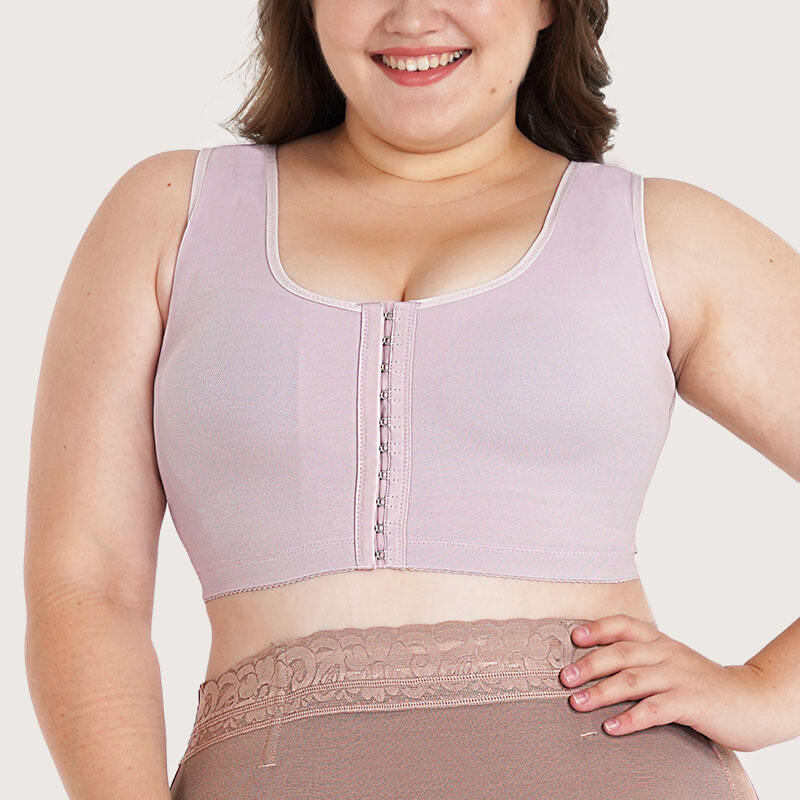
Tank Tops/Support Camis |
Upper body, bump |
Layering, posture, chest/back support |
Adjustable straps, extra stretch |
Nursing/Maternity Bras |
Bust, upper back |
Everyday comfort, nursing/postnatal use |
No underwire, soft, expandible |
Support Shorts |
Thighs, butt, hips |
Preventing thigh chafing, event wear |
Seamless, light compression |
Final Thoughts: Prioritize Comfort, Not Just Fit
Navigating pregnancy means adapting to physical, mental, and emotional changes. Maternity shapewear can provide gentle support and confidence, but comfort and health come first. Listen to your body—if you feel pain, numbness, or discomfort, stop wearing it. Choose pregnancy-safe garments made with breathable materials and light to moderate compression. Avoid high-compression shapewear, corsets, or waist trainers. As your body evolves, opt for adjustable pieces that grow with you. Always consult your healthcare provider, especially if you have a high-risk pregnancy or are recovering from a C-section, to ensure the safest and most supportive options for your needs.

 Hot News