Table of Contents
Introduction
The growing interest in achieving a slimmer silhouette and greater confidence has made shapewear a popular wellness and style topic. Its promise of instant contouring and smoother curves sparks the question: can it aid real weight loss or is it purely cosmetic? This guide explores the science, myths, and psychological effects of shapewear, outlining its true benefits, limitations, and safe use. From waist trainers to bodysuits, learn how these garments shape both the body and mindset when paired with balanced, lasting lifestyle habits. Can Wearing Shapewear Help You Lose Weight?
The Truth About Shapewear and Actual Fat Loss
It is crucial to understand that shapewear does not directly burn calories, increase fat loss, or change your body composition. Weight loss refers to a reduction in total body mass, specifically through fat loss and, to a lesser extent, muscle change or water weight. True fat loss results from a caloric deficit—burning more energy than you consume—achieved through a blend of diet, exercise, and healthy lifestyle choices. Shapewear, in contrast, works by retaining, compressing, and redistributing soft tissue temporarily. Once removed, your body returns to its natural shape.
Key Facts:
· Compression provided by shapewear does not target or reduce abdominal fat.
· Wearing a waist trainer or waist cincher may give the illusion of a smaller waist, but does not result in permanent waist reduction. · No scientific evidence supports claims that shapewear increases metabolic rate or leads to meaningful fat or weight loss.
· Any tiny reduction seen on the scale after wearing tight shapewear for long periods is most likely due to temporary water weight loss (the “sauna effect”), not fat loss.
Table: Shapewear vs. Weight Loss Methods
Method |
Fat Loss |
Slimmed Appearance |
Muscle Support |
Lasting Change |
Shapewear/Waist Cincher |
✘ |
✔ |
✔ |
✘ |
Diet & Nutrition |
✔ |
✔ |
Some |
✔ |
Exercise |
✔ |
✔ |
✔ |
✔ |
Surgery (Liposuction) |
✔ (immediate, invasive) |
✔ |
✘ |
✔/✘ (depends) |
Indirect Benefits: Can Shapewear Encourage Healthy Behaviors?
While shapewear doesn’t directly trigger weight loss, it may indirectly influence your health and fitness journey in several ways, both psychological and practical:
Mindfulness & Portion Control: Many users report that snug compression garments act as a subtle reminder to avoid overeating, as a full, compressed midsection leads to quicker satiety cues.
Confidence Boosting: Looking slimmer and feeling more put-together in your clothes can increase self-esteem and willingness to engage in physical activity, go to the gym, or participate in fitness routines.
Exercise Support: Specialized sports shapewear and sports girdles can provide support to core muscles and the back, enhancing exercise performance, especially during activities that benefit from improved posture (e.g., weight lifting, yoga, Pilates).
The Benefits of Wearing Shapewear (During Weight Loss and Beyond)
Aesthetic Benefits: Slimmed Appearance & Curve Smoothing
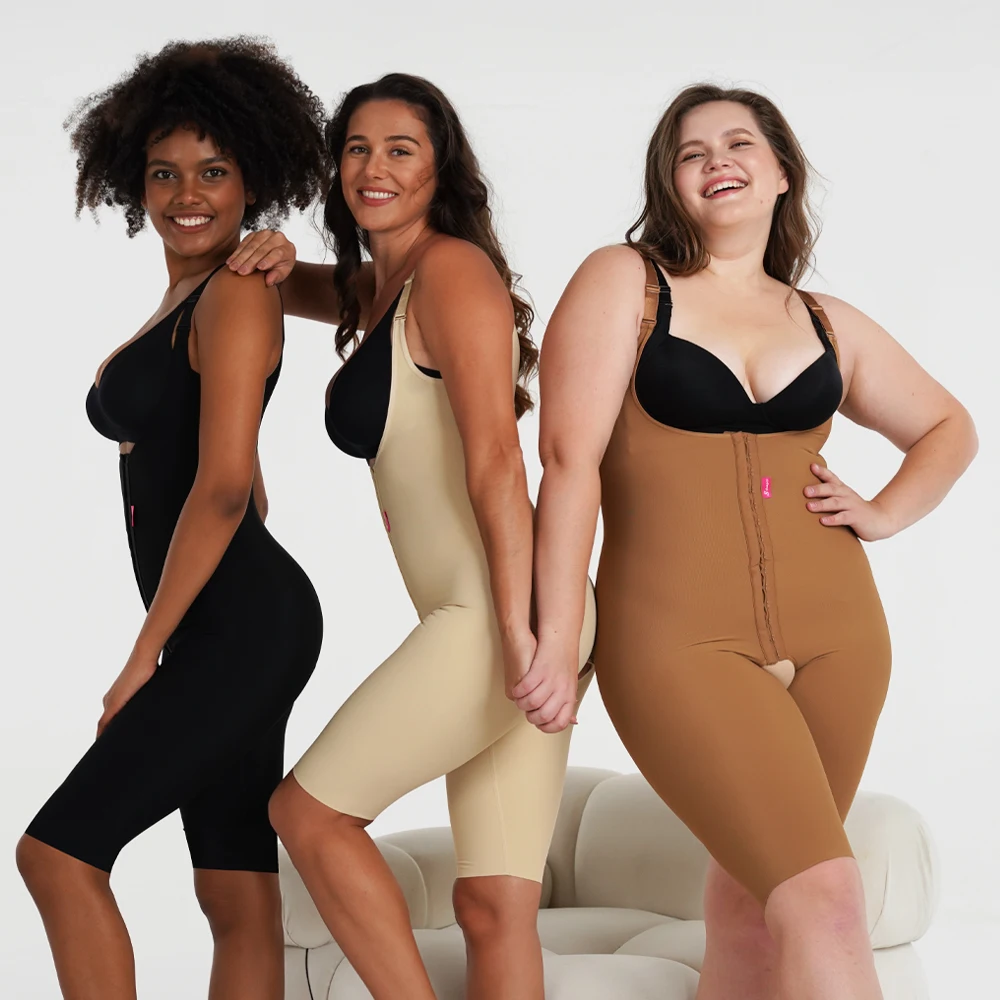
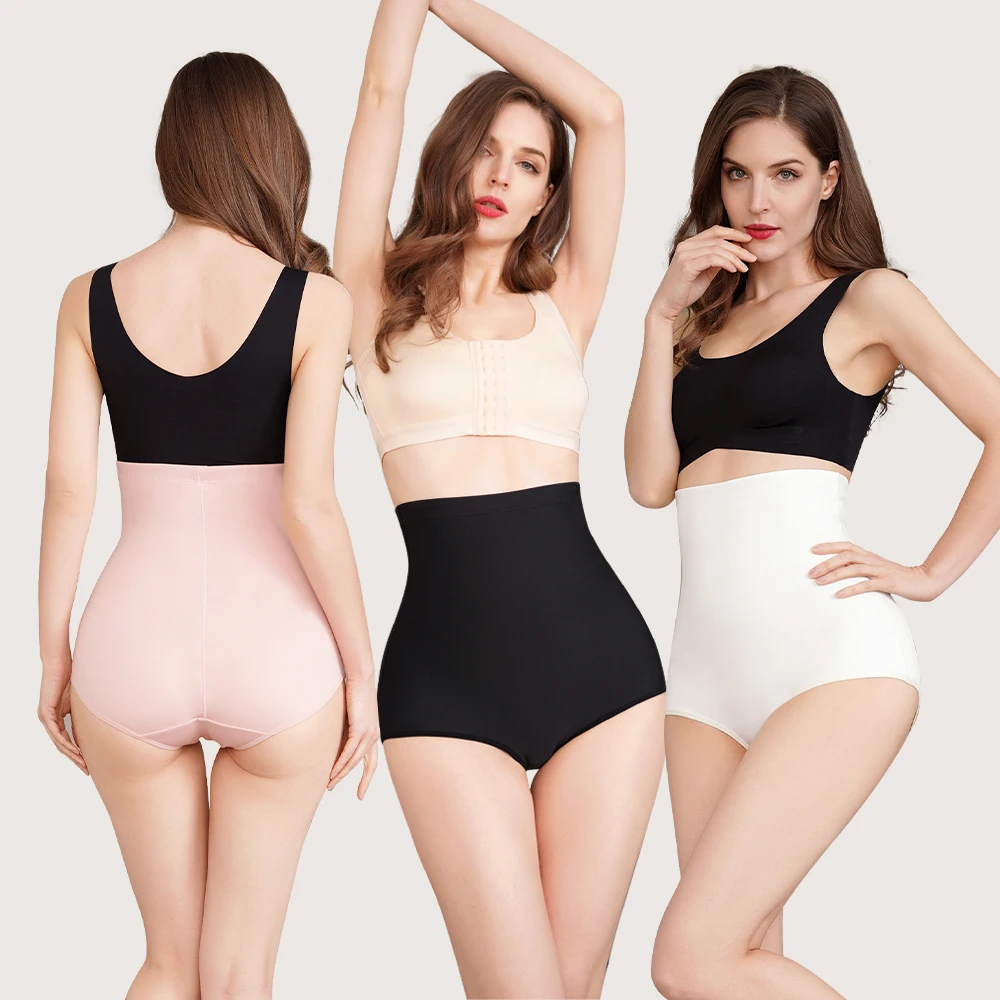
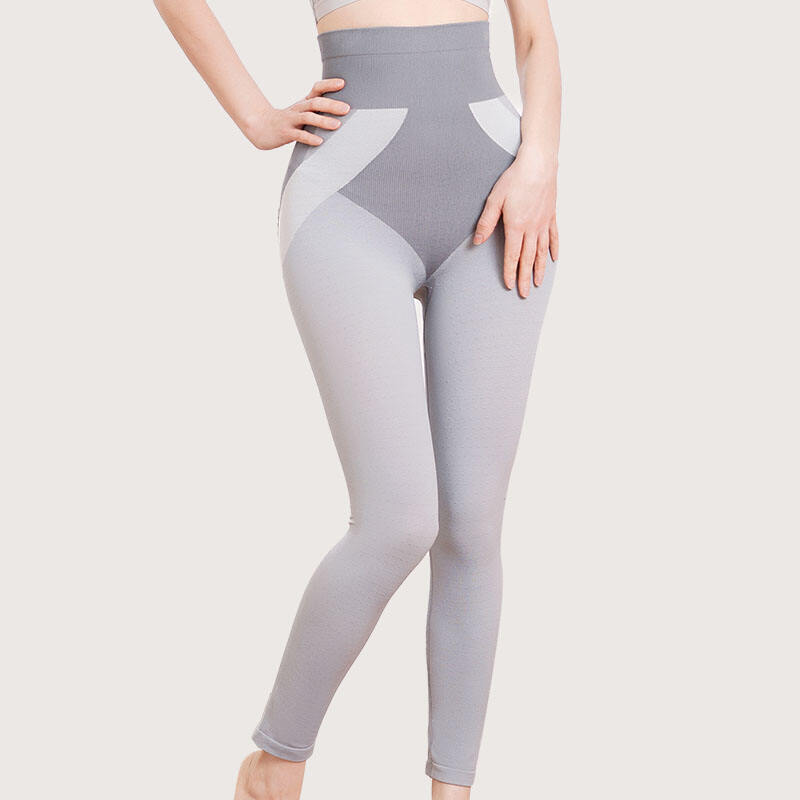
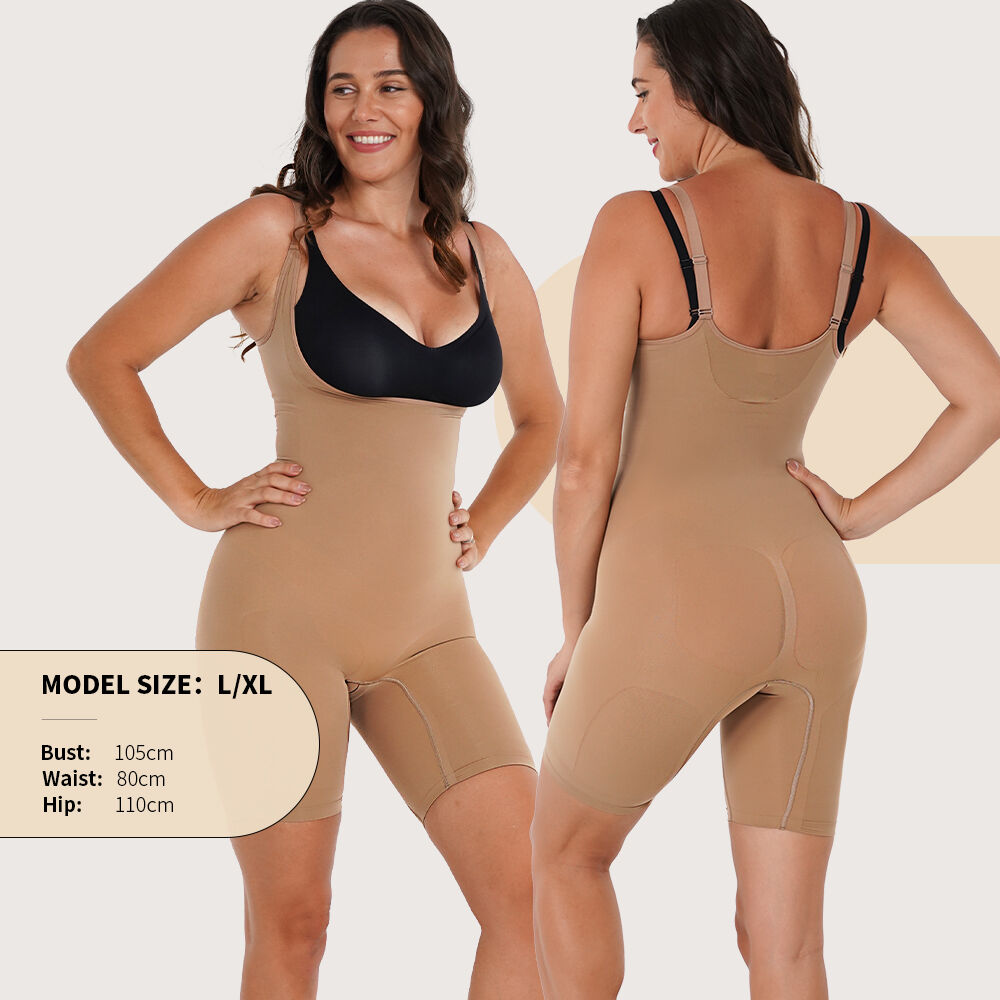
Shapewear instantly creates a more sculpted and toned silhouette by smoothing out bulges and accentuating natural curves. This is achieved through targeted compression over the abdomen, hips, thighs, and sometimes the upper body. As a result, you may notice:
· A flatter tummy and reduced appearance of belly fat
· Smoother lines under tight clothing
· A natural lift and support for the bust, hips, and rear
· Enhanced midsection contouring for an hourglass or tailored figure
Table: Most Popular Shapewear Types by Target Zone
Shapewear Type |
Target Area |
Typical Use Case |
Waist Trainer |
Waist/Abdomen |
Waist reduction, posture correction |
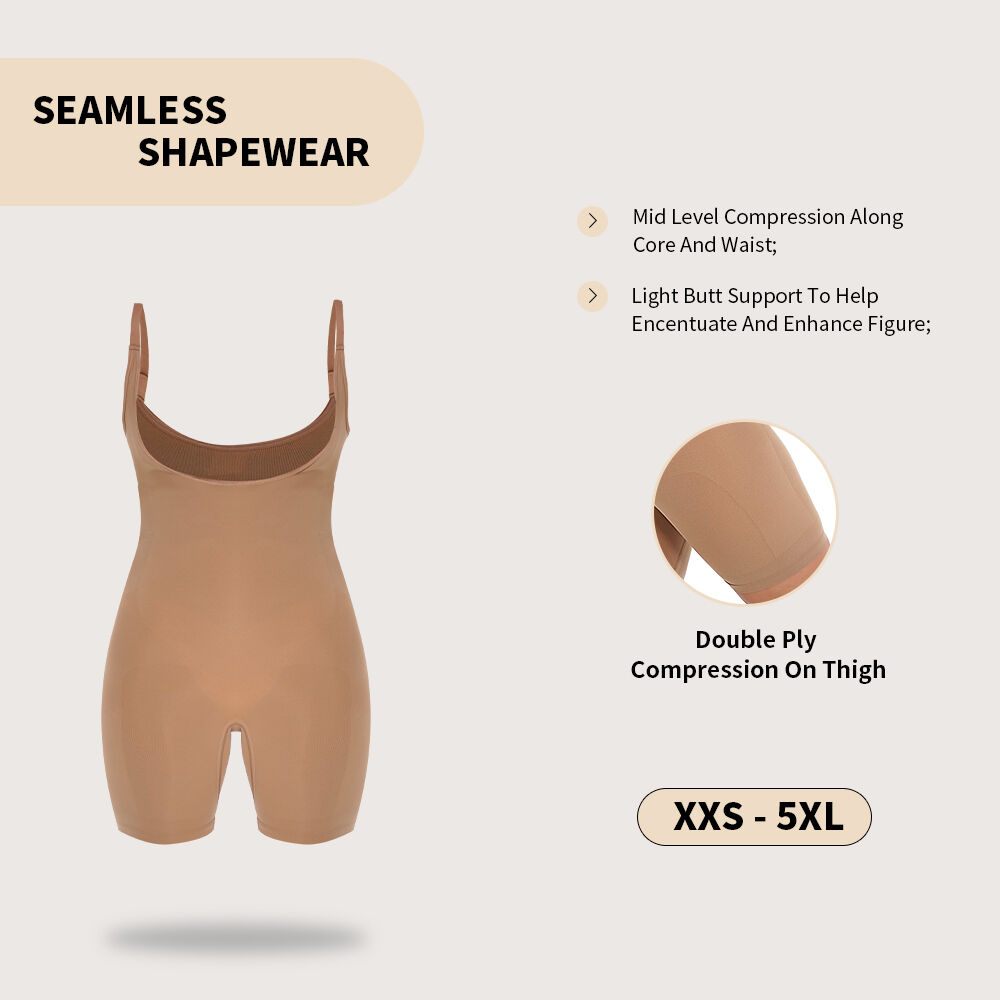
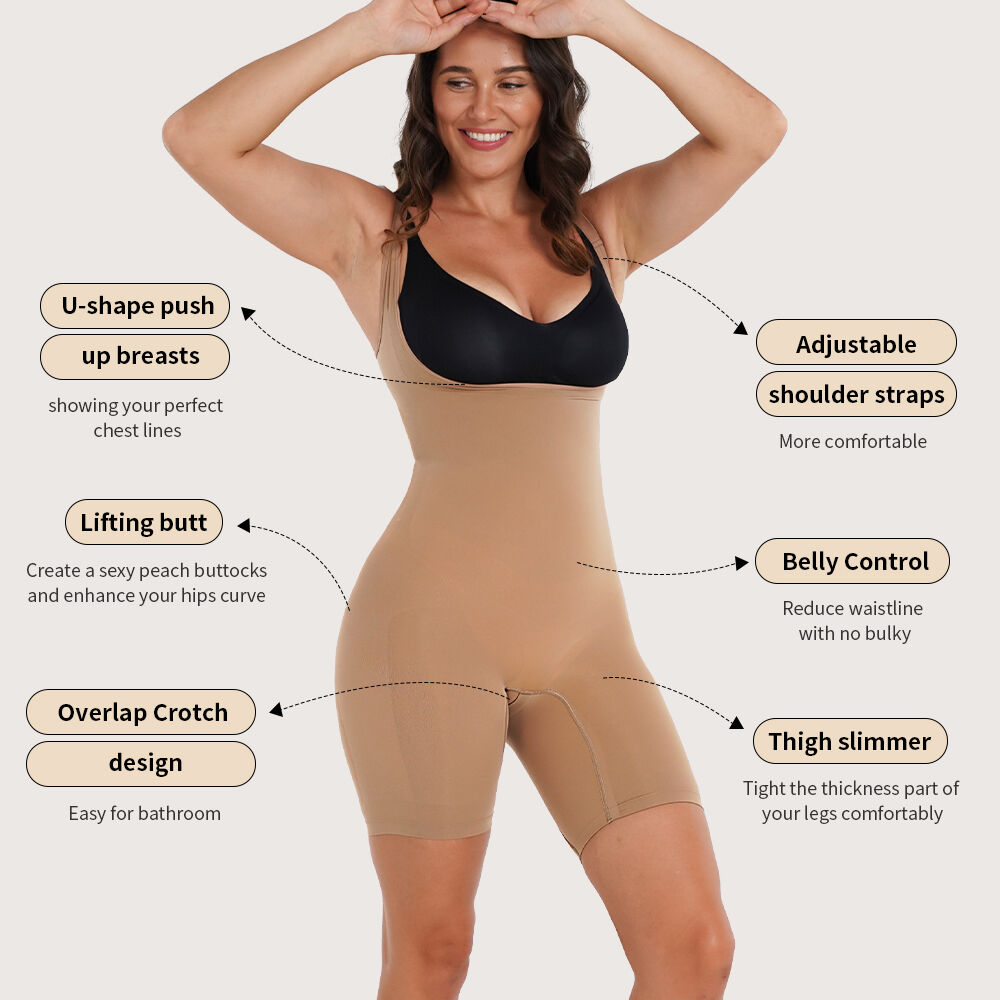
Bodysuit |
Full torso |
All-over smoothing, formal/event wear |
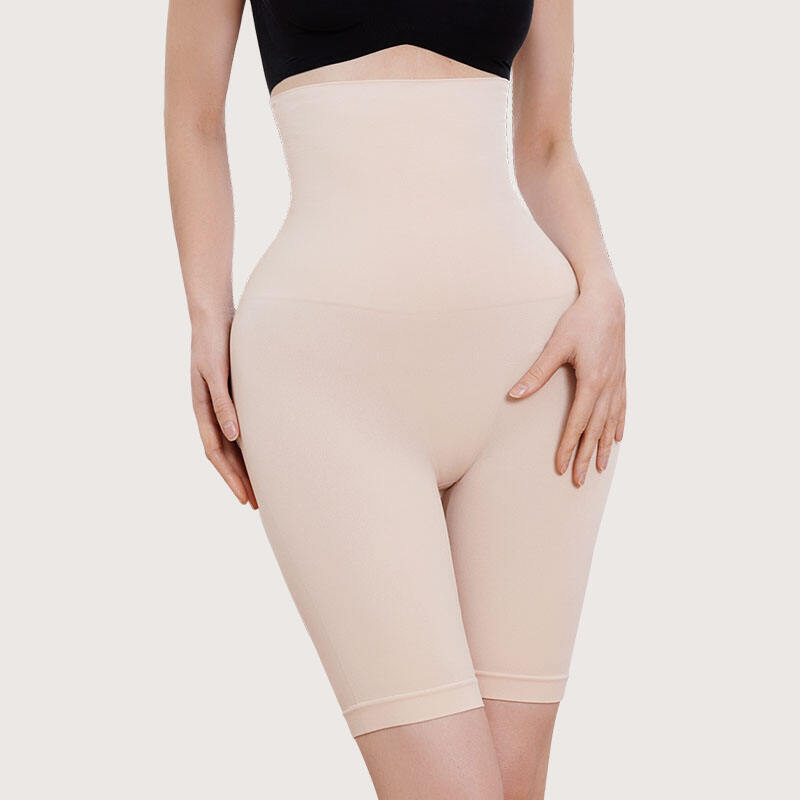
Thigh Slimmer |
Hips, Thighs, Lower Abs |
Chafing prevention, seamless pant fit |
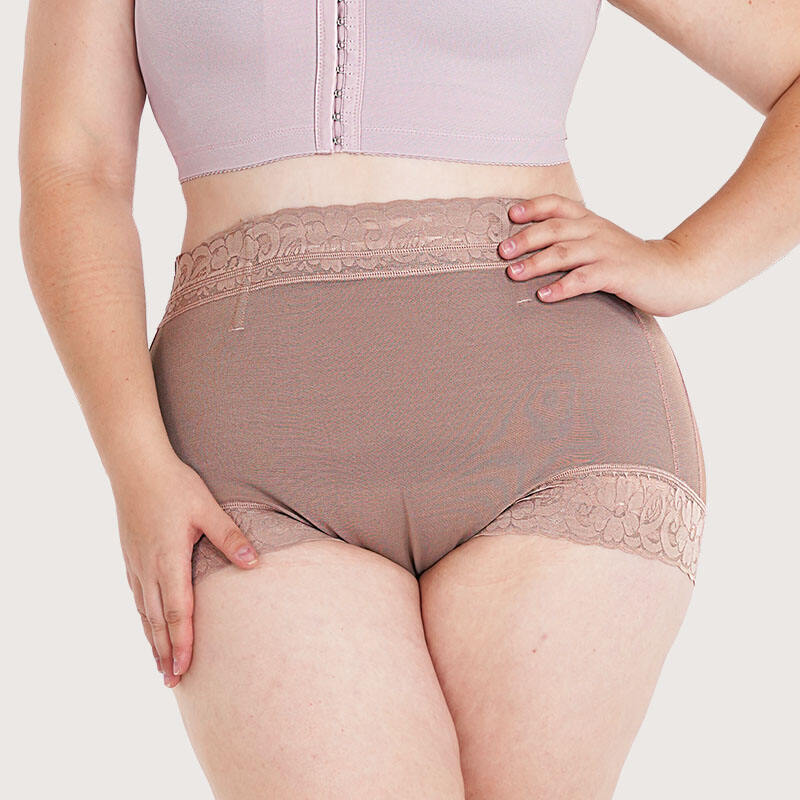
Control Panties |
Abdomen/Low Waist |
Under dresses, daily use |
Compression Shirts |
Chest, Back, Core |
Workout support, posture, chest flattening |
Body Support: Enhanced Posture and Core Stabilization
Certain forms of shapewear—especially compression shirts, waist cinchers, and girdles—provide subtle but valuable back support. These garments encourage upright posture and discourage slouching, which is especially beneficial for those who work at a desk or spend long hours standing. Better posture not only improves your appeal in clothing but can also prevent back pain, reduce muscle fatigue, and promote better core engagement during physical activity.
List: Key Supportive Benefits
· Posture correction for spinal alignment
· Relief from mild lower back discomfort
· Reinforcement of core muscles during daily tasks
· Subtle support during light exercise or rehabilitation
Choose S-SHAPER for its OEM/ODM expertise in shapewear. Benefit from precision smart cutting (±0.5mm), seamless knitting technology, and eco-friendly, breathable fabrics. Enjoy full customization from design to branded packaging, plus flexible ODM/OEM options. Driven by a real user-centric story, S-SHAPER ensures quality, comfort, and on-time delivery, making it a trusted long-term partner for your brand.
Confidence Boosting: Enhanced Self-Esteem and Motivation
Psychological benefits play a significant role in the continued popularity of shapewear. Many users report feeling more attractive, composed, and empowered when wearing their favorite compression garments. This confidence boost can be the push needed to:
· Start or stick to a fitness routine
· Choose healthier meals due to improved body image
· Say “yes” to new social or physical activities
· Maintain a positive mindset for self-care and wellness
Exercise Support: Improved Performance and Comfort
Sports girdles, compression shirts, and targeted exercise shapewear are popular tools for athletes and gym-goers alike. These garments are specifically designed to support muscle groups during physical activity, reduce chafing, and improve circulation. Wearers often find that these items increase comfort, promote a better range of motion, and may even help prevent certain injuries.
· Reduction of muscle fatigue and enhanced blood flow
· Core support for exercises such as squats, planks, and yoga poses
· Wicking materials to keep sweat at bay and reduce skin irritation
· Temporary “sauna effect,” increasing perspiration and, in some cases, leading to water weight loss (Note: This effect is temporary and does not represent true fat reduction)
Postpartum Support and Recovery
For new mothers, postpartum belts, wraps, and compression bodysuits can provide valuable support during the healing process. These specialized shapewear options help stabilize weakened abdominal muscles, promote gentle core strengthening, and reduce discomfort while the body recovers.
· Always consult a physician before using shapewear after childbirth.
· Choose garments specifically labeled for postpartum use to ensure proper fit and support.
Summary: Why Add Shapewear to Your Healthy Lifestyle?
Benefit |
Detail |
Slimmed Appearance |
Instant smoothing, curve enhancement, improved clothing fit |
Posture Correction |
Support for better spinal alignment and core engagement |
Confidence Boosting |
Enhanced self-esteem, fitness motivation |
Exercise Support |
Comfort, muscle stability, injury prevention |
Postpartum Recovery |
Abdominal muscle support, comfort after childbirth |
Myths and Misconceptions About Shapewear & Weight Loss
Myth 1: Shapewear Can Replace a Healthy Diet and Exercise
One of the most persistent misconceptions is that wearing shapewear can take the place of a healthy lifestyle. In reality, real weight loss—characterized by a reduction in fat mass—can only be achieved through a calorie deficit created by healthy diet and regular physical activity. Shapewear cannot melt fat, build muscle, or replace good nutrition.
Myth 2: Shapewear Causes Long-Term Fat or Weight Loss
Many users fall for the belief that regular use of compression garments will shrink fat cells or change body shape permanently. In truth, shapewear only redistributes soft tissue, providing a temporary effect. Once removed, your natural body shape returns almost immediately. No credible studies support the idea that waist trainers, thigh slimmers, or belts can cause permanent waist reduction or abdominal fat loss.
· Temporary slimming: Yes, shapewear smooths the silhouette while on.
· Long-term fat loss: No, effects are not permanent and do not affect underlying fat tissue.
Myth 3: Sweating More in Shapewear Means More Fat Loss
Several products advertise the so-called “sauna effect” of shapewear, promising rapid fat melting due to increased perspiration.
· While you may notice water weight loss from sweating, this is temporary. As soon as you rehydrate, your weight returns.
· No scientific evidence supports a link between sweat production while wearing shapewear and increased fat burning.
· Excessive sweating in restrictive garments can lead to dehydration or skin issues if not managed properly.
Health Risks and Safety Tips for Wearing Shapewear
Potential Health Risks of Shapewear
Shapewear is generally safe when used appropriately, but certain issues can arise if it’s too tight, worn for too long, or used by people with certain medical conditions. Here are the most common risks:
1. Restricted Blood Flow and Circulation Problems
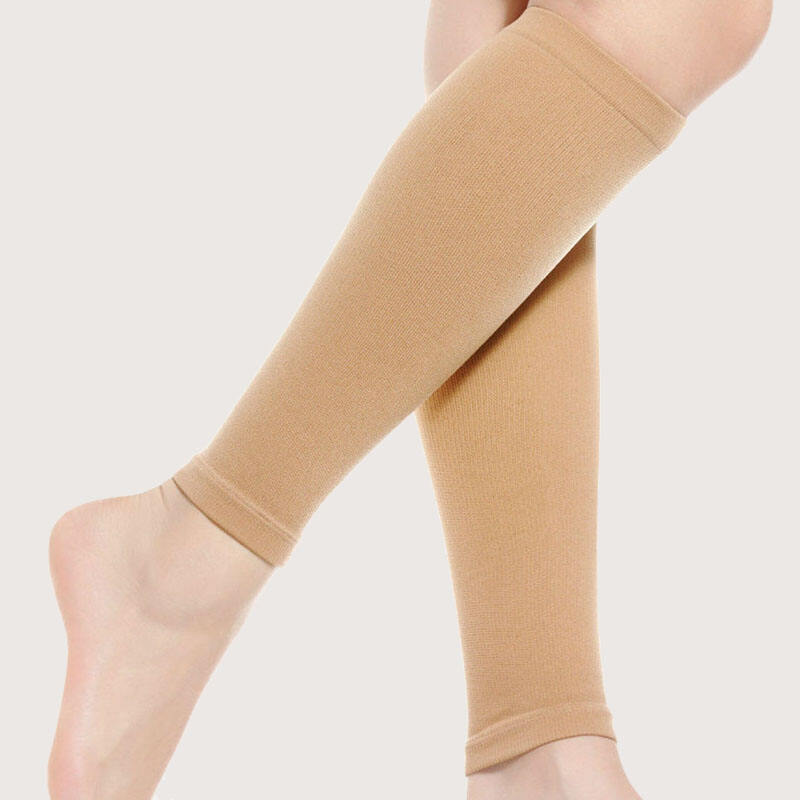
· Excessive compression—particularly in the waist, thighs, or lower body—can restrict circulation. This can lead to numbness, tingling, swelling, and, in rare cases, worsen pre-existing vein or circulatory issues.
· People with existing circulatory problems, such as varicose veins or deep vein thrombosis (DVT), should avoid tight shapewear unless cleared by a doctor.
2. Muscle Compression and Nerve Impingement
· Shapewear that is too small or worn in multiple layers may compress surface nerves, potentially leading to tingling, burning sensations, or “pins and needles.” In rare cases, meralgia paresthetica (a nerve issue near the hip caused by pressure) can develop.
3. Digestive and Breathing Issues
· Firm compression around the midsection can alter posture, restrict diaphragm movement, and increase gastric reflux—especially after large meals or if worn extremely tightly.
· Prolonged pressure may cause heartburn, bloating, or mild shortness of breath in sensitive individuals.
4. Skin Irritation and Hygiene
· Trapped sweat, friction, and non-breathable materials can lead to skin rashes, fungal infections, or even abrasions if worn too long without breaks.
· Hygiene is especially crucial for those using shapewear after childbirth or surgery.
5. Impact on Core Strength Over Time
· Relying solely on shapewear for posture or core support, without also strengthening underlying core muscles, may reduce natural muscle tone and functional support in the long run.
Identifying Warning Signs
If you notice any of the following, it’s important to take a break and re-evaluate your shapewear use:
· Persistent numbness, tingling, or burning sensations in the hips, thighs, or abdomen
· Indentations, redness, or welts on the skin after removal
· Difficulty breathing, faintness, or dizziness
· Persistent abdominal discomfort or heartburn
· Recurring skin irritation or rashes

 Hot News