Table of Contents
2. Lingerie vs Underwear:what’s the difference?
3. Pros and Cons of Lingerie
4. Pros and Cons of Underwear
5. When to Wear Lingerie vs Underwear
6. Underwear vs Lingerie: Common Questions (FAQ)
Introduction
The debate between lingerie and underwear often comes down to purpose and perception. All lingerie is underwear, but not all underwear is lingerie. While both serve as essential undergarments for comfort, hygiene, and modesty, lingerie emphasizes femininity, luxury, and allure, whereas underwear focuses on practicality and daily wear. From delicate lace bralettes to breathable cotton briefs, each reflects personal style and confidence. This guide explores their history, design, fabrics, and cultural roles—along with care tips, trending styles, and sustainable fashion shifts—to clarify what truly sets lingerie apart from everyday underwear.
Lingerie vs Underwear: What’s the Difference?
Primary Distinctions: Function Meets Fantasy
At its core, underwear is about practicality. Designed as a daily necessity, underwear’s main job is to serve as a protective barrier—keeping outer clothing clean, providing moisture absorption, and maintaining hygiene. Underwear is mostly about function, catering to both men and women, and is typically considered unisex. It places an emphasis on materials that are breathable and comfortable under clothes, such as cotton, micro modal, or bamboo. Think of basics: briefs, boy shorts, boxer briefs, and non-wired bras.
Lingerie, on the other hand, brings the aspect of fashion, sensuality, and self-expression into the undergarment world. While it still fulfills the basic needs of comfort and coverage, lingerie is primarily designed to accentuate the body, boost confidence, or convey a specific look or mood. Associated with special occasions, femininity, and empowerment, classic lingerie often features intricate details—lacy trims, silk or satin fabrics, mesh, and decorative embellishments—that elevate it beyond the simple underwear category.
Key Differences Summarized:
Feature |
Underwear |
Lingerie |
Purpose |
Function, hygiene, everyday wear |
Visual appeal, confidence, special events |
Material |
Cotton, modal, bamboo, hemp, microfiber |
Lace, silk, satin, mesh, chiffon |
Styles |
Briefs, boxers, hipsters, sports bras |
Bras, bustiers, corsets, teddies, garters |
Gender |
Unisex |
Traditionally feminine, now inclusive |
Design |
Simple, practical, basic colors/prints |
Intricate, detailed, decorative |
Cost |
Generally affordable |
Often more expensive, “luxury” fabrics |
Occasion |
Everyday, athletics, sleep |
Special occasions, romance, fashion |
Pros and Cons of Lingerie
Summary Table: Pros and Cons of Lingerie
Pros |
Cons |
Boosts confidence & self-esteem |
Can be uncomfortable for daily wear |
Wide range of styles & designs |
Expensive, especially luxury items |
Ideal for special occasions & romance |
Requires delicate care/laundering |
Supports self-expression & allure |
Less variety in sizing/shapes |
Increasingly eco-friendly & inclusive |
Not always practical for activity |
Pros and Cons of Underwear
Summary Table: Pros and Cons of Underwear
Pros |
Cons |
Outstanding comfort and practicality |
Sometimes perceived as “plain” |
Breathable, sustainable fabrics |
Can lack confidence-boosting effect |
Affordable and widely available |
Quality varies by brand/material |
Unisex and inclusive sizing |
Less specialized support or shaping |
Easy to wash and maintain |
Limited “luxury” features or aesthetics |
Designed for menstrual & daily needs |
Not designed to impress or seduce |
Choose S-SHAPER for its OEM/ODM expertise in shapewear. Benefit from precision smart cutting (±0.5mm), seamless knitting technology, and eco-friendly, breathable fabrics. Enjoy full customization from design to branded packaging, plus flexible ODM/OEM options. Driven by a real user-centric story, S-SHAPER ensures quality, comfort, and on-time delivery, making it a trusted long-term partner for your brand.
When to Wear Lingerie vs Underwear
Daily Routine: Underwear as the Unsung Hero
· When to wear underwear:
· Daily work or school routines
· Physical activities such as sports or exercise
· Travel or long commutes (breathable underwear recommended)
· Hot or humid climates (moisture-wicking fabrics like micro modal or bamboo are especially beneficial)
· During menstrual periods (period underwear for extra protection)
· While sleeping if you prefer support without restriction
Special Moments: Lingerie for Confidence and Expression
· Date nights, anniversaries, honeymoons, or Valentine’s Day
· Photoshoots, boudoir sessions, or special events
· As a personal ritual for self-confidence, regardless of who sees it
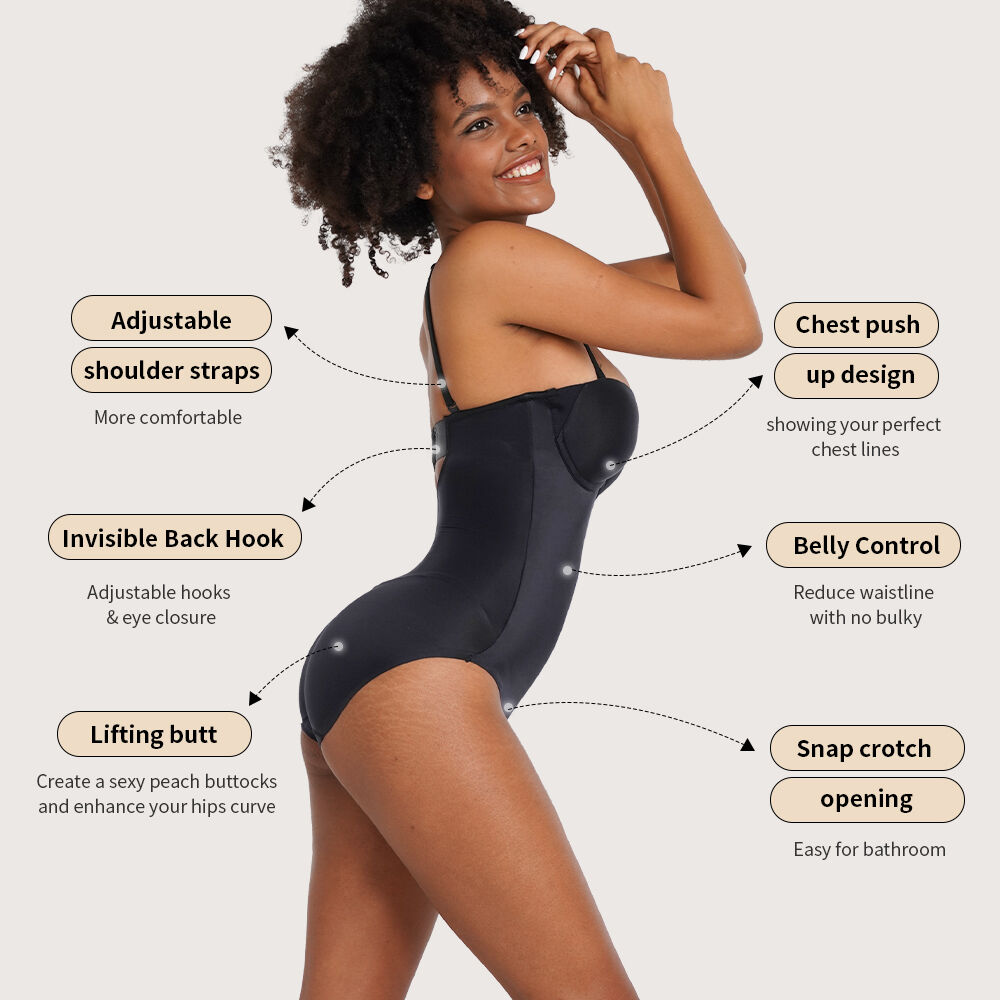
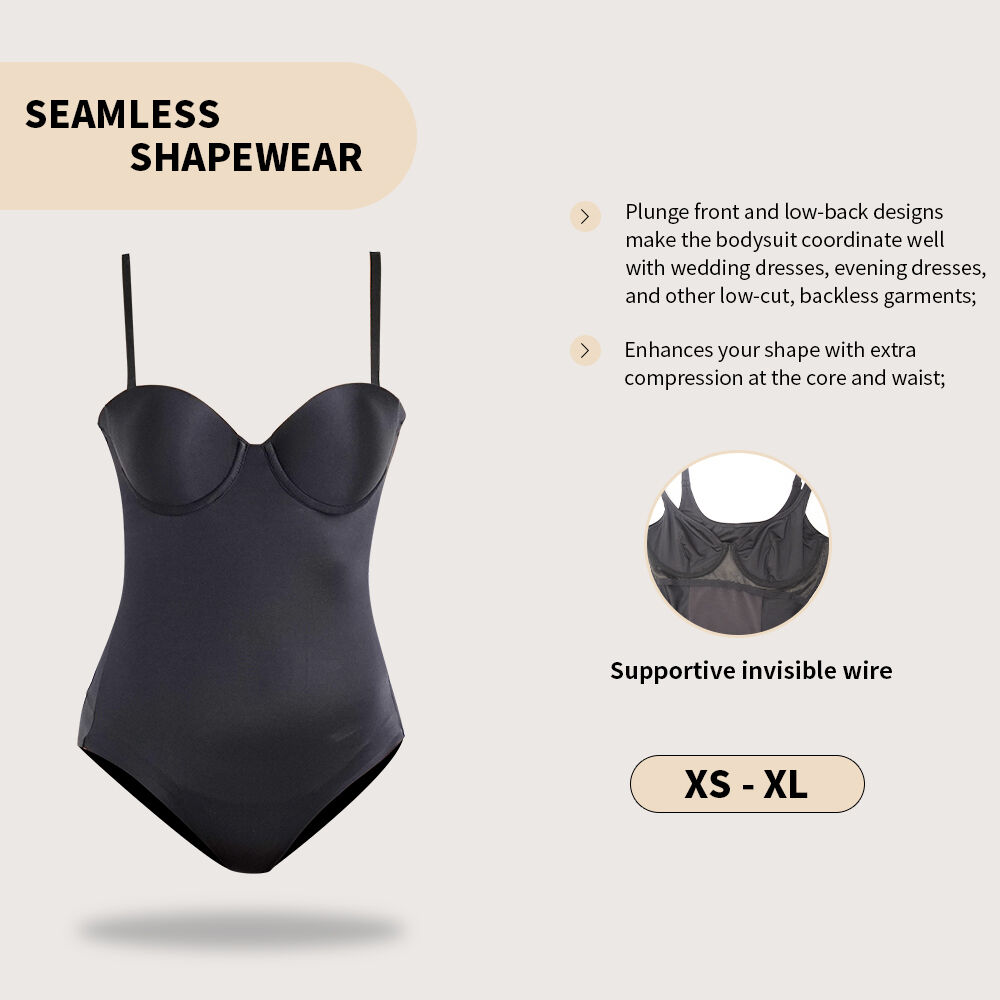
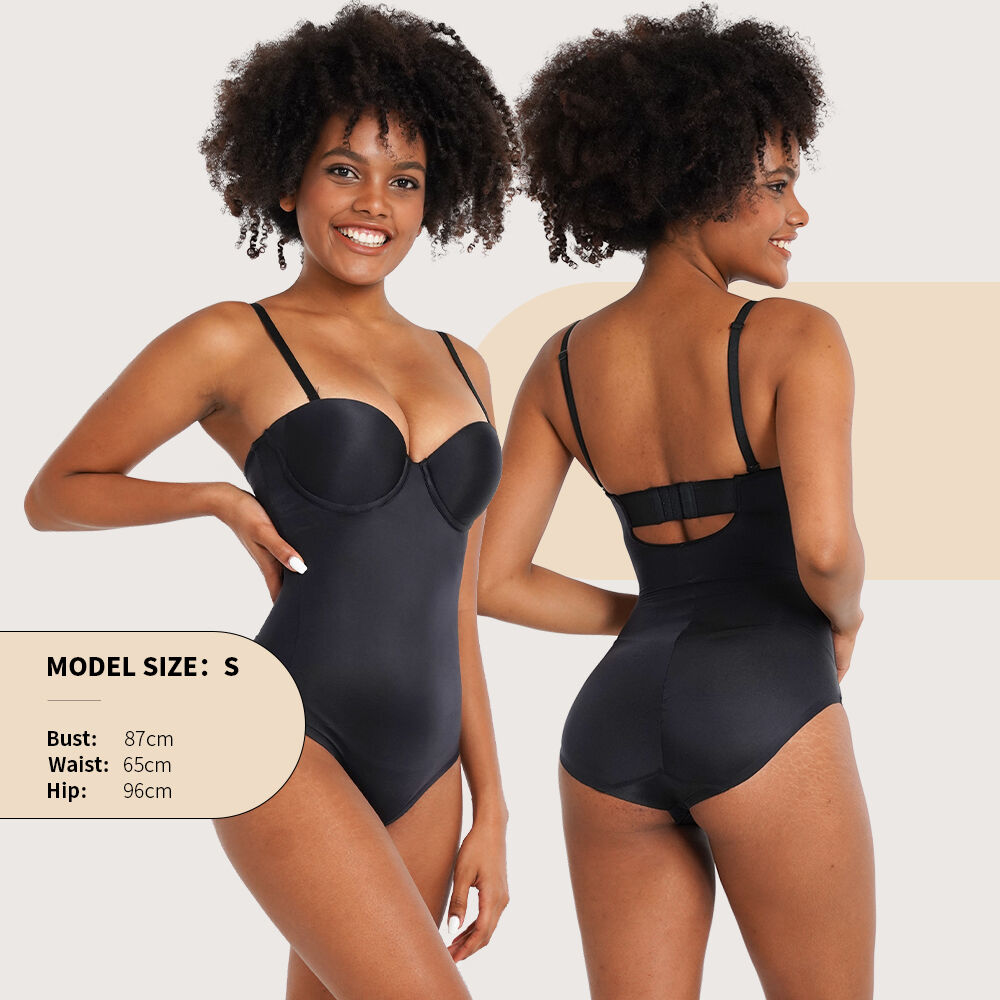
· Under formalwear for hidden elegance (strapless bras, slips, shapewear)
· When embracing trends like “underwear as outerwear” (e.g., pairing a bustier or a triangle bralette with high-waisted pants or a blazer)
· Times you want to break your usual routine and embrace indulgence or playfulness
Guidelines: How to Choose?
If you’re still unsure whether to reach for underwear or lingerie, consider the following factors:
· Purpose: Is your primary goal comfort, functionality, or self-expression?
· Outfit: Are you wearing something sheer, tight, or requiring a specific silhouette?
· Event: Is there a special reason to add some luxury to your day, or do you simply need to get through a demanding routine?
· Mood: How do you want to feel today? Sometimes, how an undergarment feels emotionally is as important as physical comfort.
· Materials: Does your skin require hypoallergenic, natural, or breathable fabrics, or is today the day for silk, lace, and glamour?
Quick Reference Table: When to Choose What
Situation/Need |
Best Choice |
Why |
Long day at work |
Underwear |
Breathability, comfort, hidden support |
Special occasion/romantic night |
Lingerie |
Confidence boost, sensual details, mood setting |
Intense workout/sports |
Underwear |
Moisture wicking, secure fit |
Under sheer/formalwear |
Lingerie (slip/strapless) |
Seamless finish, elegance |
Wanting to feel empowered/confident |
Lingerie |
Self-expression, mental lift |
Concerned about environment/ethics |
Eco-friendly options in both categories |
|
Underwear vs Lingerie: Common Questions (FAQ)
Is all lingerie considered underwear?
Yes—lingerie is a subcategory of underwear. While all lingerie pieces (bras, panties, camisoles, bustiers, garter belts, and more) function as undergarments, not every type of underwear qualifies as lingerie. Lingerie typically refers to more decorative, luxurious, or seductive pieces, often designed with intricate details, high-end fabrics like lace or silk, and a deliberate focus on both style and sensuality.
Is all underwear considered lingerie?
No—not all underwear can be classified as lingerie. Underwear is the broad category for any garment worn beneath outer clothing for hygiene, support, or comfort. It includes everything from basic cotton briefs and sports bras to period panties and seamless boxers. Lingerie, by contrast, suggests an emphasis on visual appeal, femininity, or elegance.
Which is best for sensitive skin?
Look for breathable fabrics like organic cotton, bamboo, hemp, or modal (often marketed as sustainable or antibacterial). While many luxury lingerie pieces feature lace or synthetics, there are plenty of eco-friendly lingerie brands that combine style with sensitivity.
How should I care for my lingerie vs underwear?
· Lingerie: Wash by hand or use a laundry bag with cold water on a delicate cycle. Air-dry to extend fabric life.
· Underwear: Most everyday pieces (especially cotton or modal) are machine-washable, but always check the care tag.
· Avoid ironing or using harsh detergents with either category to protect soft fabrics and elastic fibers.
Are bras always considered lingerie?
Not always. Basic, sporty, or seamless bras are underwear first and foremost. However, bras made of luxury fabrics or designed with ornate details (e.g., balconette bras with lace trim or triangle bralettes in silk) are categorized as lingerie.
Is lingerie customizable?
Yes! Many high-end and artisanal brands offer customization—choose your size, fabrics, style features, and sometimes monogramming or bespoke tailoring for the perfect fit. This is especially popular for bridal lingerie and special occasion sets.
Lingerie vs no lingerie: What’s actually more comfortable?
It entirely depends on the design and fit! Some lingerie is soft, wireless, and combines the breathable features of quality underwear. Other lingerie—especially styles with boning, tight corsetry, or less-stretch fabrics—may not be as comfortable for extended daily wear. For ultimate comfort, choose underwear or “daily lingerie” designed specifically for softness, flexibility, and breathability.
Quick Reference Table: Lingerie vs Underwear — Key FAQ Answers
Question |
Simple Answer |
All lingerie is underwear? |
Yes |
All underwear is lingerie? |
No |
Lingerie for men? |
Yes, and growing in popularity |
Bras always lingerie? |
Only if they’re decorative/luxury |
Daily wear lingerie? |
Yes, many modern comfy options |
Best for sensitive skin? |
Cotton, bamboo, hemp, modal |
Best manufacturers/countries? |
France, UK, Italy, Japan, US, Australia |
Is lingerie customizable? |
Yes, many brands offer this |
Conclusion: Lingerie vs Underwear—Embracing Choice, Comfort, and Confidence
What Sets Lingerie and Underwear Apart:All lingerie is underwear, but not all underwear is lingerie. Lingerie is distinguished by its design, luxury, and emotional appeal—it’s made to inspire confidence and celebration. Underwear, however, focuses on practicality, protection, and comfort for all genders and body types.
Function vs. Allure: Underwear prioritizes performance and inclusivity, while lingerie emphasizes beauty and self-expression through details like lace, silk, and mesh.
Flexibility in Choice: From cotton briefs to lace balconettes, there are no strict rules—most people balance comfort and sensuality depending on mood and occasion.
Innovation and Inclusivity: Eco-friendly fabrics, sustainable practices, and body-positive campaigns now make both comfort and confidence accessible to everyone.

 Hot News