Table of Contents
Introduction
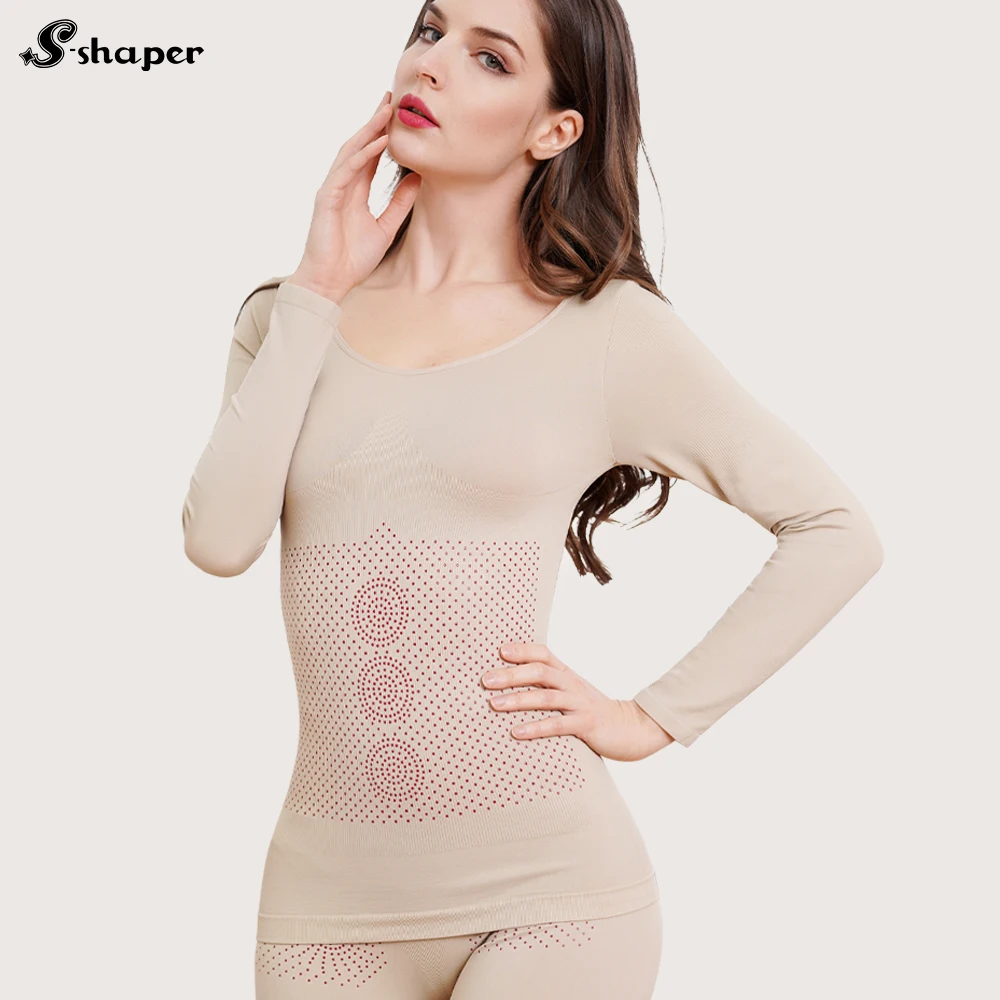
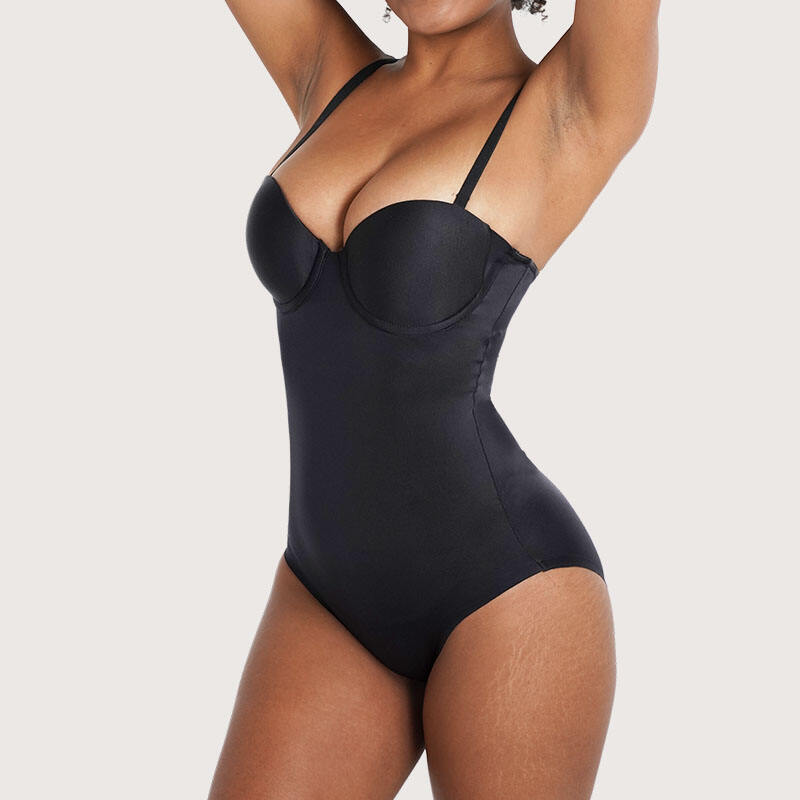
Shapewear, tight waistbands, and other restrictive garments have surged in popularity, but they can raise important questions about back health and comfort. Back pain is extremely common, and while posture, spinal alignment, and weak core muscles are well-known causes, compression clothing may also aggravate symptoms when worn too tightly or too often. Considering how these garments affect movement, nerves, and circulation is essential if you experience lower back pain or muscle tension. A well-rounded guide can clarify the science, share expert insight, and offer safe, practical strategies to protect both your spine and confidence.
The Science: How Tight Clothing Affects Your Spine, Muscles, and Posture
Wearing a tight waistband, shapewear, or other forms of restrictive clothing can have far-reaching effects on your spinal health and overall comfort. While these garments are often marketed for their posture-improving abilities, the relationship between compression clothing and your musculoskeletal system is both complex and nuanced. Let’s break down the various ways these clothing choices can influence your back and the underlying reasons why they may cause or worsen back pain.
How Compression Garments and Tight Waistbands Influence Body Mechanics
Compression clothing—including shapewear, girdles, tight jeans, belts, and running tights—works by applying pressure to specific areas of the body. This pressure is intended to create a smoother appearance and support posture, but the effects go much deeper:
· Restriction of Movement: Tight garments limit the natural movement of your torso and hips. This rigidity reduces pelvic mobility and may force muscles into unnatural positions, increasing muscle tension and susceptibility to injury.
· Altered Spinal Alignment: Compression around the waist can flatten the lumbar curve or change the way your spine aligns over your pelvis. Over time, this can lead to chronic muscle tension, spinal misalignment, and even the need for chiropractic adjustments.
· Compromised Core Engagement: By providing external “support,” tight shapewear can essentially turn off your core muscles. When these muscles aren’t activated properly, your back and spine lose vital support, leading to lower back pain and increased risk of spinal misalignment.
Impact on Nerves, Circulation, and Breathing
Beyond muscle and bone, restrictive clothing can affect major nerves, blood flow, and even your ability to breathe:
· Nerve Compression: Tight waistbands and shapewear—particularly those made from spandex or designed as “high-compression”—can place direct pressure on nerves. The infamous condition meralgia paresthetica is one example, where the lateral femoral cutaneous nerve is pinched by tight fabric, causing tingling, numbness, or burning pain in the thigh and lower back.
· Compromised Circulation: When blood flow around the waist is restricted, it may impair the delivery of oxygen and nutrients to tissues. This can result in muscle fatigue, cramps, and even dangerous blood clots (thrombi), especially in those with underlying health conditions like diabetes or obesity.
· Impaired Breathing: Tightness around the ribcage or abdomen can restrict the movement of the diaphragm, reducing lung capacity. This may cause shortness of breath, particularly in women who wear restrictive corsets or high-compression shapewear for extended periods.
The Physiology of Spinal Alignment and Restrictive Clothing
Effect of Tight Clothing |
Mechanism |
Potential Impact on Back/Health |
Reduced pelvic mobility |
Restricts natural hip/spinal movement |
Muscle imbalance, poor posture |
External abdominal support |
Disengages core muscles |
Weak core, spinal misalignment |
Direct nerve compression |
Fabric pinches or compresses nerves |
Numbness, tingling, back pain |
Impaired blood flow |
Tightness impedes circulation |
Muscle cramping, fatigue, clots |
Restricted diaphragm expansion |
Pressure on ribcage |
Shallow breathing, less oxygen |
Can Shapewear Cause Back Pain? Medical Perspectives & Real Experiences
It's not just anecdotal—medical professionals across specialties are seeing a clear connection between shapewear, tight waistbands, and back pain. Below, we’ll break down medical insights, the most common mechanisms of injury, and documented testimonials to give you a full picture.
How Can Shapewear or a Tight Waistband Cause Back Pain?
1. Poor Fit and Excessive Compression: Wearing shapewear or tight clothing that is too small results in intense pressure on the lower back, abdomen, and flanks. This impairs mobility, compresses nerves, and alters natural spinal alignment, making the back more susceptible to strain.
2. Weakening of Core Muscles: Shapewear acts like a passive brace. When your abdominal and lower back muscles are "switched off," it places a heavier load on the spine's passive structures, which can result in both lower back pain and poor postural habits.
3. Incorrect Posture Guidance: Unlike custom back braces designed for spinal decompression surgery recovery, shapewear isn't tailored to provide real support or promote healthy pelvic mobility. A tight waistband may actually encourage a slouched position, aggravating existing postural imbalances.
4. Nerve Compression and Referred Pain: Direct pressure at the waistband or seams may compress key lower body nerves, notably the lateral femoral cutaneous nerve. This leads to meralgia paresthetica, producing symptoms that can be mistaken for lumbar nerve root issues.
Who Is Most At Risk?
Some individuals are more likely to experience negative effects:
· People with Pre-existing Back or Core Issues: If you already have weak core muscles or prior episodes of back pain, reliance on tight shapewear can worsen these problems.
· Individuals With Diabetes, Obesity, or Poor Circulation: These groups are more prone to bruising, clotting (thrombi), and skin injuries from compromised blood flow.
· Frequent Wearers: Everyday use, especially for prolonged hours, increases the risk. Those using shapewear for work, travel, or postpartum support should be cautious.
· Athletes Recovering From Injury: Elite athletes sometimes use compression tops or running tights for recovery, but unsupervised use or overly tight garments can backfire.
Table: Common Ways Tight Waistbands and Shapewear Cause Back Pain
Risk Factor |
Mechanism Involved |
Symptoms Experienced |
Wearing garments too tight/small |
Excessive compression |
Lower back pain, nerve compression |
Daily/prolonged shapewear use |
Reduced core muscle activity |
Muscle weakness, poor posture |
Wrong shapewear design/material |
Non-ergonomic construction |
Muscle tension, restricted movement |
Ignoring pain or numbness |
Unrelieved nerve pressure |
Persistent tingling, burning, pain |
Pre-existing back condition |
Increased spinal stress |
Exacerbation of chronic back pain |
Choose S-SHAPER for its OEM/ODM expertise in shapewear. Benefit from precision smart cutting (±0.5mm), seamless knitting technology, and eco-friendly, breathable fabrics. Enjoy full customization from design to branded packaging, plus flexible ODM/OEM options. Driven by a real user-centric story, S-SHAPER ensures quality, comfort, and on-time delivery, making it a trusted long-term partner for your brand.
Other Health Risks Associated With Shapewear and Tight Waistbands
Wearing shapewear and tight waistbands for extended periods doesn't just affect your back. These tight garments can wreak havoc on various bodily systems—sometimes in surprising ways. Below, we’ll explore the spectrum of risks: from digestion and circulation to respiratory challenges, nerve issues, and skin health.
Digestive Problems
Compression clothing presses down on your abdomen, which can easily disturb the normal functioning of your digestive system. According to experts at the Virginia Commonwealth University and numerous gastroenterologists, constant abdominal pressure from tight garments or waistbands can amplify or even trigger the following digestive issues:
· Acid Reflux and Heartburn: The extra belly pressure forces stomach acids back into the esophagus, causing heartburn—or in severe cases, chronic gastroesophageal reflux disease (GERD).
· Indigestion and Bloating: Restrictive clothing hampers the stomach’s ability to expand, which may slow down digestion and contribute to persistent bloating, cramps, or feelings of fullness.
· Worsening of IBS: Individuals with irritable bowel syndrome (IBS) are particularly sensitive to abdominal pressure, which can intensify symptoms like pain, diarrhea, or constipation.
Fact: A 2012 study published in The Journal of Neurogastroenterology and Motility found that tight waistbands increased acid reflux symptoms in otherwise healthy young adults after just a few hours of use.
Impaired Breathing
Spandex-based shapewear and girdles, especially those that also compress the ribcage, reduce the movement of the diaphragm and can interfere with normal breathing. Prolonged or excessive compression can lead to:
· Shortness of Breath: Mild to moderate restriction of chest expansion leads to shallow breathing and less oxygen intake.
· Lung Infections: According to Dr. Lisa Petrucci, pulmonologist, tight compression clothing may contribute to atelectasis (partial lung collapse) or even respiratory infections in rare cases, especially when worn for long hours.
Pinched Nerves and Nerve Compression
One of the most documented risks of tight waistbands and shapewear is nerve compression:
· Meralgia Paresthetica: This neurological disorder occurs when the lateral femoral cutaneous nerve is compressed, usually at the hip level. Symptoms include burning pain, tingling, or numbness on the outer thigh and sometimes lower back.
· Other Nerve Issues: Tight garments can compress other superficial nerves along the waist, leading to referred or radiating pain, weakness, or muscle twitching—sometimes mistaken for spinal or muscular disorders.
Compromised Circulation and Blood Clots
Healthy blood flow is essential for tissue repair, muscle recovery, and general energy levels. Tight clothing—especially if worn by smokers, diabetics, or those with obesity—creates multiple circulation issues:
· Reduced Blood Flow: Chronic pressure from compression clothing may cause swelling, numbness, or even pain due to limited venous return from the legs.
· Risk of Thrombi (Blood Clots): In rare but serious cases, tight garments can increase the risk of superficial or deep vein thrombosis (DVT), especially in people already predisposed to poor circulation.
Infections and Skin Irritation
Tight, non-breathable fabrics encourage sweating and moisture retention—ideal conditions for bacterial and yeast infections.
· Skin Irritation: Fungal rashes, chafing, or redness can develop, particularly in hot or humid conditions.
· Bacterial and Yeast Infections: Prolonged dampness and lack of air circulation around intimate areas raise the risk of bacterial vaginosis or yeast infections, especially for women.
Long-Term Effects of Wearing Restrictive Clothing
Wearing restrictive clothing day after day can have compounding effects on various systems. Here’s a quick table to summarize:
Health Concern |
Mechanism/Trigger |
Potential Consequences |
Digestive issues |
Abdominal compression |
GERD, IBS, cramping, bloating |
Impaired breathing |
Chest/rib compression |
Shallow breathing, infections |
Nerve problems |
Waistband compressing nerves |
Tingling, burning, numbness |
Circulatory issues |
Pressure on abdomen/legs |
Swelling, DVT, leg pain |
Infections |
Poor air circulation, dampness |
Fungal, yeast, and bacterial infection |
Weakened core muscle function |
External brace effect |
Slower recovery, increased falls |
Recognizing Back Pain Caused by Shapewear or Tight Waistbands
Understanding the signs that your shapewear or tight waistband is contributing to your back pain is crucial to preventing more serious problems. Recognizing these indicators early can help you make smarter style and health decisions—saving you from long-term discomfort and possibly irreversible nerve or spinal damage.
Key Warning Signs and Symptoms to Watch For
You should be especially alert for the following symptoms, which might indicate that restrictive clothing is causing or worsening your back pain or general discomfort:
Persistent or New-Onset Back Pain
Aching or stiffness in your lower or upper back after wearing tight clothing, girdles, or shapewear—especially if the pain worsens throughout the day.
Pain that eases or disappears after removing the garment, indicating a direct relationship.
Numbness, Tingling, or Burning Sensations
These can occur in the lower back, hips, or down the thighs—classic signs of nerve irritation or nerve compression, such as meralgia paresthetica.
Muscle Weakness or Fatigue
If your abdomen or back feels unusually weak or tired, it could mean your core muscles are no longer properly engaging due to dependence on external compression.
Decreased Mobility and Stiffness
Difficulty bending, twisting, or moving freely after hours in shapewear or tight waistbands. This can be an early sign of muscle tension or restricted pelvic mobility.
Skin Reactions and Visible Marks
Indentations, redness, or bruises along the waistband or shapewear seams.
Blisters, irritation, or even rashes in areas under consistent pressure, which could increase your risk of infection.
Digestive and Breathing Issues
Recurring indigestion, acid reflux, or heartburn, especially after meals.
Shortness of breath or difficulty taking full, deep breaths while wearing tight garments.
Table: Symptoms and What They May Indicate
Symptom |
Possible Cause |
What You Should Do |
Back pain after garment use |
Spinal misalignment, muscle tension |
Loosen clothing, consult a professional |
Tingling/burning in thighs/hips |
Nerve compression (meralgia paresthetica) |
Remove garment immediately, see neurologist/chiropractor |
Skin indentations or bruising |
Prolonged excessive pressure |
Switch to looser, softer clothing |
Shortness of breath |
Impaired diaphragm function |
Remove garment, avoid tight upper body compression |
Indigestion, acid reflux |
Abdominal/gastric pressure |
Limit compression around midsection |
Muscle weakness in core/back |
Disuse due to external support |
Do core strengthening exercises, limit compression use |
When Should You Seek Medical or Chiropractic Care?
Certain symptoms require prompt attention from a doctor, chiropractor, or even a neurologist:
· Persistent or worsening pain, numbness, or tingling that does not improve with removal of restrictive clothing.
· Weakness or loss of coordination in the legs or trunk.
· Signs of infection—such as fever, spreading redness, or pus—from skin breakdown due to intense pressure.
· Symptoms that interfere with basic daily activities or sleep.
Preventing and Reducing Back Pain From Shapewear and Tight Waistbands
If you love the contour, support, or confidence boost of shapewear and tight waistbands but worry about your back or spinal health, you’re not alone. Prevention is about informed choices—selecting the right garments, wearing them the smart way, and supporting your body with healthy lifestyle habits.
How to Wear Shapewear and Tight Waistbands Safely
Not all shapewear or compression clothing is inherently harmful. The key is moderation, sensible selection, and listening to your body’s feedback. Here’s how to reduce your risk of back pain and related health concerns:
1. Choose the Right Size and Fit
· Never size down to squeeze into a garment—it should never dig, pinch, or restrict deeply.
· Select ergonomic clothing with stretch and breathability, allowing your core muscles to remain engaged.
2. Opt for Adjustable and Breathable Fabrics
· Look for designs with adjustable closures, wide waistbands, or lighter compression levels.
· Choose cotton blends, moisture-wicking panels, or laser-cut seams for comfort and hygiene.
3. Limit Wear Duration
· Prolonged use is a major contributor to muscle weakness and nerve compression.
· Give your body regular breaks—avoid using shapewear or very tight waistbands for more than a few hours at a time, and remove them before sleeping.
4. Monitor Physical Reactions
· If you feel tingling, numbness, new pain, skin irritation, or breathing difficulty, REMOVE the garment immediately.
· Inspect your skin for indentations, bruising, or blisters after use.
Lifestyle Habits and Exercises for Long-Term Spinal Health
Exercise and Movement
Strengthen your core muscles and increase pelvic mobility by adding these activities to your daily routine:
· Flexibility exercises: Gentle yoga, Pilates, cat-cow stretches, and hip openers.
· Core strengthening: Planks, bridges, abdominal hollowing, and breathing exercises.
· Movement breaks: Stand, stretch, and walk around every 30–60 minutes, especially if you sit for long periods.
Support Your Posture
· Invest in an ergonomic chair and desk setup for work.
· Practice good posture—keep your weight evenly balanced, shoulders relaxed, and spine in a neutral curve whether standing or sitting.
· Use lumbar rolls or cushions to support natural spinal alignment.
Table: Do’s and Don’ts for Preventing Back Pain from Shapewear
Do’s |
Don’ts |
Choose the right size/fit |
Never wear shape/waistbands that are too tight |
Use for special events only |
Don’t sleep, exercise, or work long hours in compression gear |
Alternate clothing styles |
Don’t layer multiple restrictive garments |
Listen to your body |
Don’t ignore pain, numbness, or tingling |
Prioritize body movement |
Don’t use shapewear as a “solution” for weak core muscles |
Summary & Key Takeaways
Shapewear and tight waistbands can enhance confidence and posture, but if you have back pain or spinal issues, proceed with caution. Occasional, well-fitted wear is usually safe, but consistent compression may strain muscles, restrict circulation, or worsen discomfort. Choose ergonomic, breathable designs that allow movement, and avoid excessive tightness or long wear times. Strengthen your core to maintain natural support instead of relying on compression garments. Listen to your body—pain, numbness, or pressure are signs to stop. Above all, prioritize posture, comfort, and professional guidance to protect spinal health while feeling and looking your best.

 Hot News