Table of Contents
Introduction: The Popularity and Pitfalls of Shapewear
Shapewear—known to some as body shapers or “belly flatteners”—has become a wardrobe staple for millions worldwide. From red carpets and awards seasons to daily office wear, these confidence-boosting garments promise a smoother, more sculpted silhouette under almost any attire. Brands like Spanx gained mainstream fame after endorsements in Oprah Magazine and appearances on shows like "The Oprah Winfrey Show," making shapewear a common solution for anyone eager to look and feel their best.
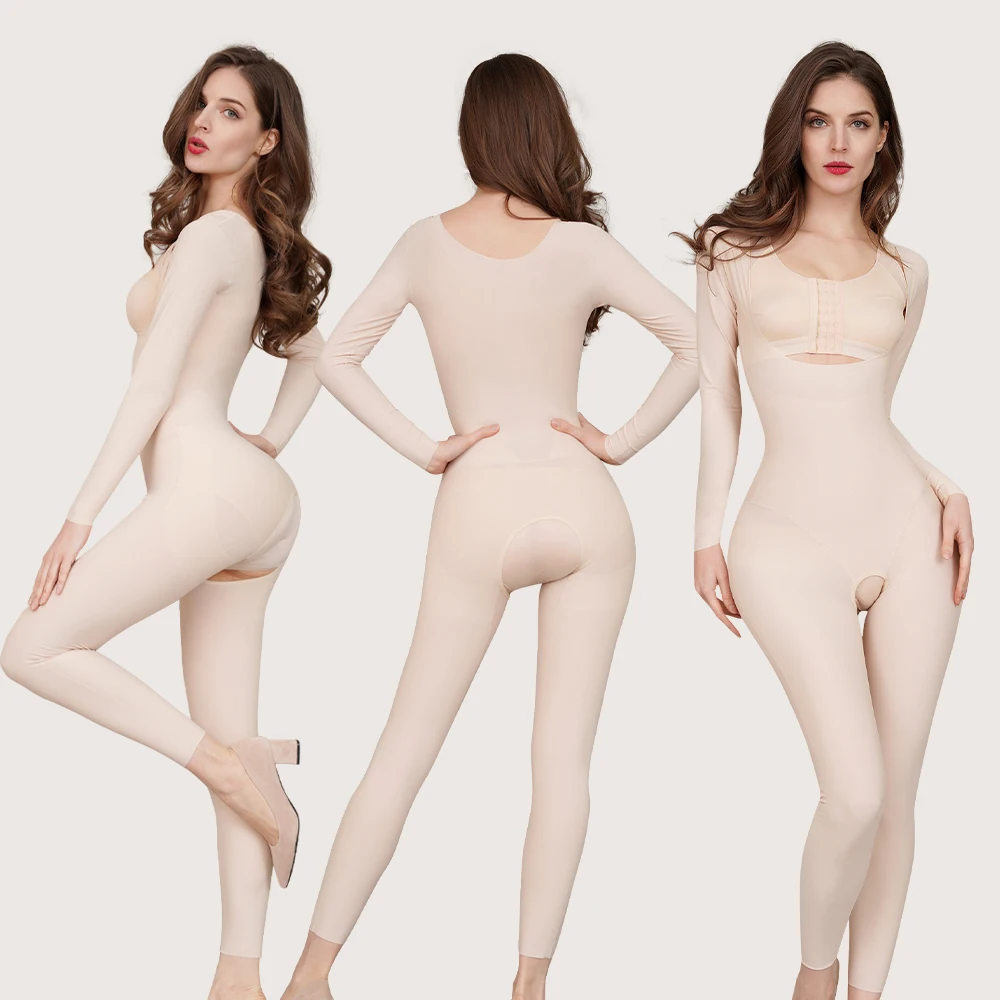
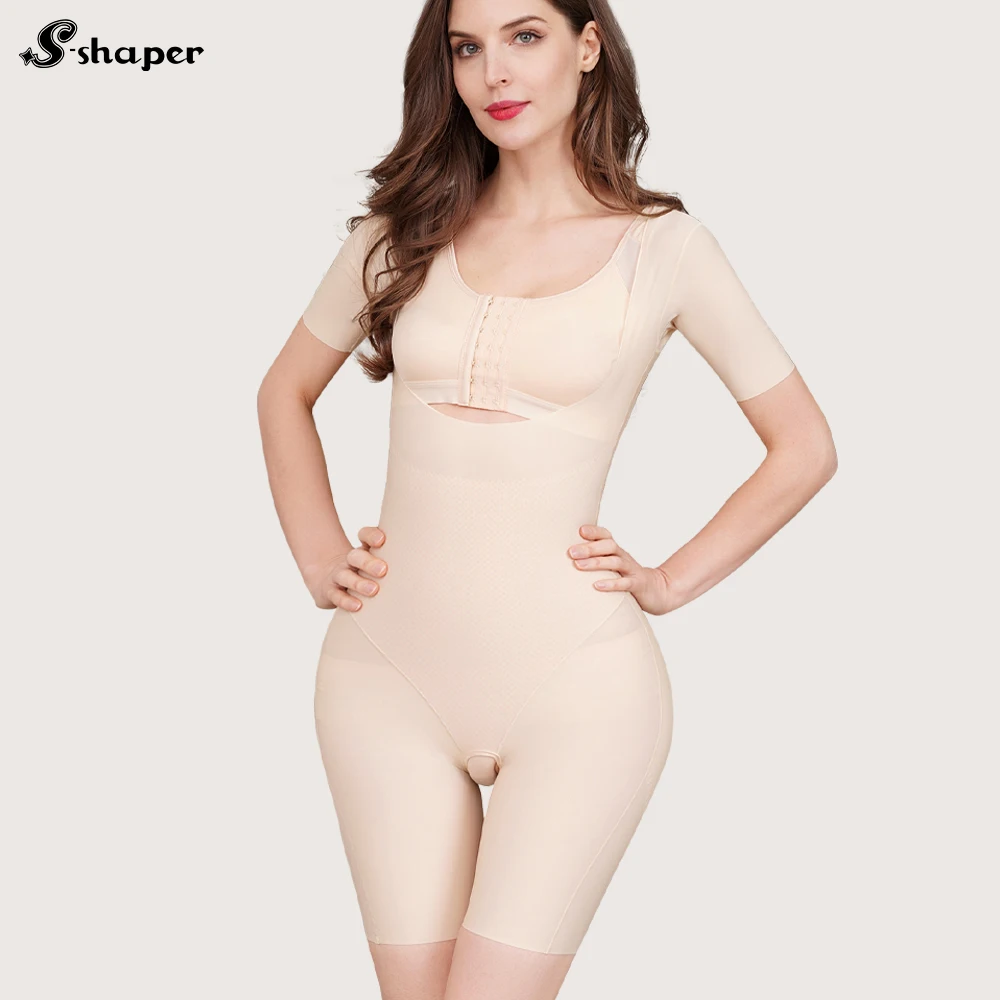
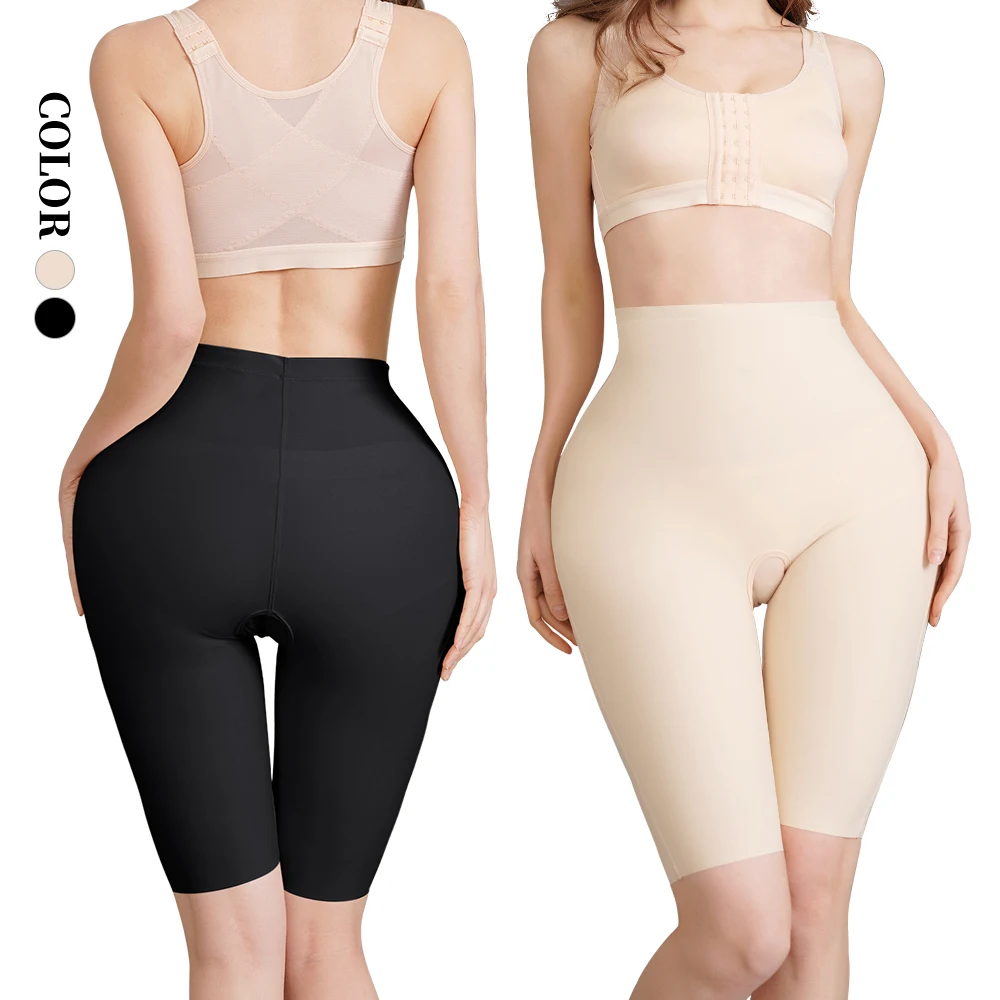
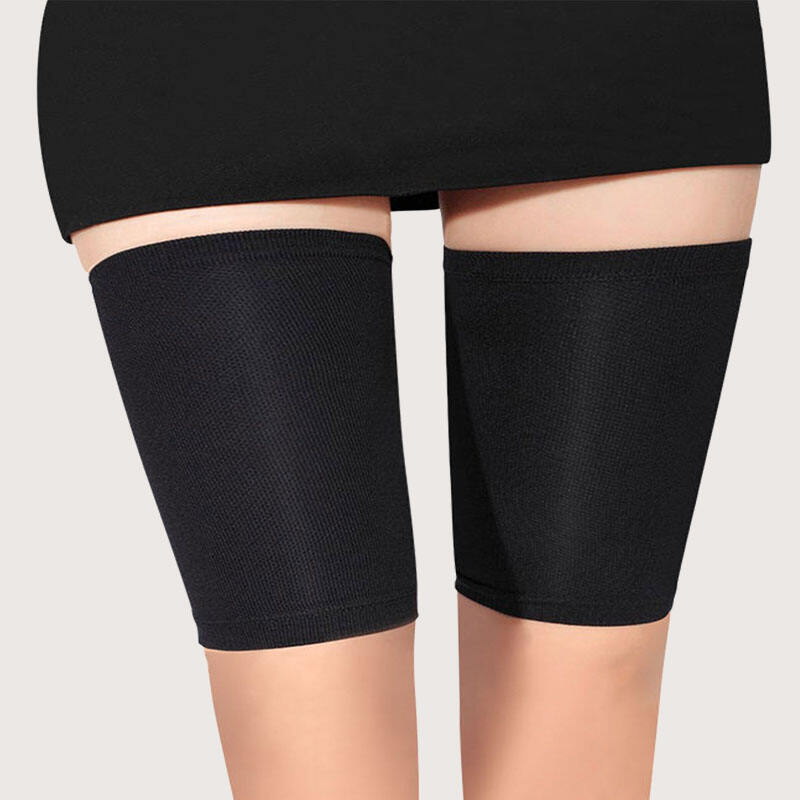
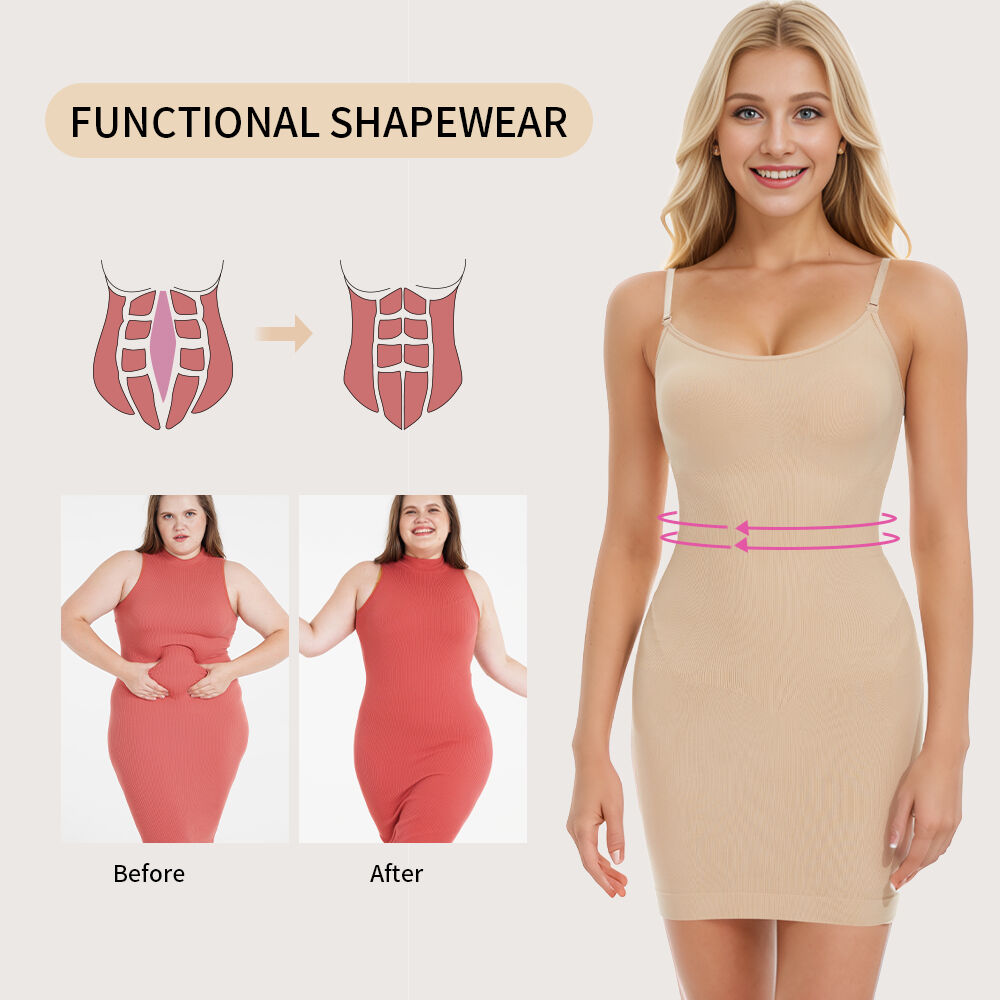
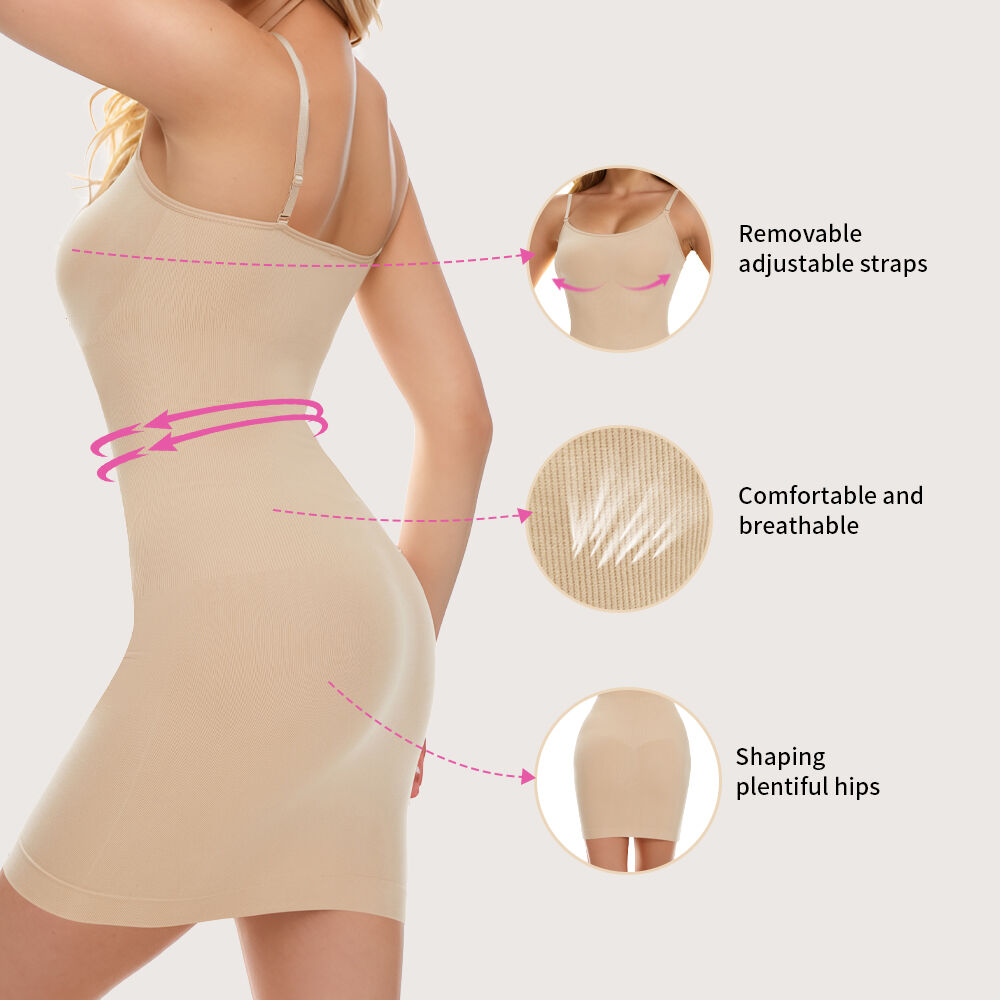
Modern shapewear is made from a blend of synthetic materials such as nylon, spandex, microfiber, and sometimes, a touch of cotton for breathability. Available in everything from control-top slips to thigh tighteners, body shapers offer different levels of compression to slim the waist, flatten the belly, and smooth out curves. The allure is clear: wearing shapewear can enhance confidence and support a variety of stylish looks.
However, a crucial—and often overlooked—question remains: Can shapewear cause stomach pain or have other negative health impacts? Recent medical reports and expert commentary have highlighted the potential health risks of shapewear, especially when garments are too tight or worn for long periods. Concerns such as organ compression, abdominal discomfort, digestive issues, bladder control problems, UTIs, and even breathing problems are increasingly entering health conversations about these garments.
This comprehensive guide explores the science and stories behind shapewear health risks. We’ll break down the mechanism of shapewear, examine common symptoms like bloating, gas, and acid reflux, and detail the risks of wearing body shapers too often or for too long. You’ll also find practical advice on fit and sizing, facts, doctor’s quotes, tables comparing garment types, and myth-busting truths about belly shapers and waist trainers. Whether you use Spanx for special occasions or rely on shapewear as a daily confidence-booster, this article will help you understand the full picture—so you can make the healthiest fashion choices. Can Shapewear Cause Stomach Pain? (Core Focus)
When it comes to shapewear, one of the most frequently asked questions is, “Can shapewear cause stomach pain?” The short answer is yes—body shapers can cause stomach pain and a range of abdominal discomforts, especially when they are too tight, worn for extended periods, or not fitted correctly for your body’s shape and needs.
How Does Shapewear Cause Stomach Pain?
Shapewear is designed to firmly compress certain areas of the body, especially the abdomen, waist, and hips. This compression, achieved through tightly woven fabrics like nylon and spandex, physically slims your silhouette by redistributing and containing soft tissue. While this may look fantastic under clothing, it can impact the internal organs and processes within your digestive tract.
When pressure is applied to the abdomen, as with snug shapewear, the stomach and intestines are squeezed into a smaller space. Over time, this can interfere with natural digestive processes, squeezing the stomach upward toward the esophagus. This is a key reason why acid reflux, heartburn, gas, and bloating are such common shapewear complaints.
Common Symptoms of Shapewear-Induced Stomach Pain
People who wear shapewear may experience:
· Stomach cramps and persistent pain
· Indigestion and slow digestion
· Bloating and excess gas
· Acid reflux and heartburn (burning sensation in chest)
· Abdominal discomfort, especially after eating
· Nausea or feeling overly full
Table 1: Symptoms Linked to Shapewear Use
Symptom |
Typical Trigger |
Description |
Stomach pain |
Tight compression, long wear |
Soreness and aching in the abdomen |
Bloating & Gas |
Squeezed digestive tract |
Stomach feels distended, increased gas |
Acid reflux |
Stomach squeezed upward |
Burning chest pain, especially after meals |
Heartburn |
Lower esophageal pressure |
Burning in chest or throat |
Indigestion |
Slow digestive movement |
Discomfort after eating |
Who Is Most at Risk?
Anyone can experience stomach pain from body shapers, but some people are more susceptible than others:
· People with pre-existing digestive disorders (IBS, GERD)
· Individuals who choose extreme levels of compression or wear waist trainers
· Those who wear shapewear for extended periods (all day, every day)
· People with higher abdominal fat or those who size down for a “slimmer look”
· Older adults or people recovering from abdominal surgery
Organ Compression: What Happens Inside?
One of the most significant health risks associated with regular or excessive shapewear use is organ compression. While shapewear is praised for instantly slimming the waist or smoothing out curves, this compressive effect is not just external. Under the snug embrace of nylon, spandex, or microfiber fabrics, your digestive tract, stomach, and even your bladder and pelvic floor are subjected to pressure that can disrupt your body’s natural functioning. Understanding what happens inside is key to making healthy choices when using body shapers.
How Shapewear Squeezes Your Organs
When you pull on a pair of too-tight Spanx or a rigid waist trainer, you’re wrapping your midsection in fabric designed to hold everything firmly in place. This, of course, includes more than just fat or skin—your organs shift and adjust to accommodate the lack of space. According to Mayo Clinic and quotes from multiple specialists, this is not always harmless, especially with repeated use or high levels of compression.
What Actually Gets Compressed?
· Stomach: Pressure from above (or tightly cinched waists) pushes the stomach upward, increasing the risk of acid reflux and heartburn as food and digestive acid are forced back toward the esophagus.
· Digestive tract/intestines: Less room for natural muscular contractions (peristalsis) slows down digestion, leading to gas, cramps, and bloating.
· Bladder: Constricted space can intensify urgency and frequency of urination. People have reported sudden bladder leaks—especially when laughing, sneezing, or moving quickly. This also increases the risk of UTIs (Urinary Tract Infections) and other urinary tract health problems, as holding urine too long encourages bacterial growth.
· Diaphragm and lungs: Upper-abdomen compression can limit full lung expansion, causing shallow breathing and even lightheadedness over time.
Organ/System |
Effect of Compression |
Potential Symptoms |
Stomach & Esophagus |
Upward squeeze; acid backup |
Acid reflux, heartburn, nausea |
Intestines/Digestive Tract |
Reduced space, slower peristalsis |
Gas, bloating, abdominal pain |
Bladder |
Increased pressure, reduced capacity |
Urgency, leakage, UTIs |
Diaphragm/Lungs |
Limited expansion, restricted breathing |
Shortness of breath, dizziness |
Nerves (Thigh/Pelvis) |
Direct compression surrounding nerves |
Numbness, tingling, weakness |
Blood Vessels |
Reduced circulation, especially in legs and pelvis |
Swelling, risk of varicose veins |
Doctor’s Perspective
Mara Weinstein, M.D., dermatologist at Schweiger Dermatology Group, warns:
"The constant compression of the abdominal cavity may cause issues far beyond a little discomfort—it can result in serious problems like reflux, breathing troubles, or nerve impingement. Wearing shapewear too often or too tight is never a good idea."
Not Just a Cosmetic Concern
When internal organs and systems are pressed together for hours, the risks go well beyond mere discomfort:
Key Risks from Organ Compression:
· Acid Reflux & Heartburn: Caused by stomach acids forced up the esophagus.
· Bladder Leaks, Urgency & UTIs: Direct pressure increases urination frequency; holding urine fosters a warm, bacteria-friendly environment.
· Digestive Issues: Including constipation, slow digestion, cramps, and bloating.
· Breathing Problems: Shallow breathing from restricted lung/diaphragm movement.
· Nervous System Issues: Tingling, numbness, and, in rare cases, nerve damage.
· Circulation Problems: Poor venous return, development or worsening of varicose and spider veins.
Choose S-SHAPER for its OEM/ODM expertise in shapewear. Benefit from precision smart cutting (±0.5mm), seamless knitting technology, and eco-friendly, breathable fabrics. Enjoy full customization from design to branded packaging, plus flexible ODM/OEM options. Driven by a real user-centric story, S-SHAPER ensures quality, comfort, and on-time delivery, making it a trusted long-term partner for your brand.
Other Health Risks of Wearing Shapewear
While stomach pain and digestive discomfort are often the first warning signs that your shapewear might be doing more harm than good, there are many additional health risks associated with body shapers. Modern shapewear, often made from synthetic fabrics like nylon, spandex, and microfiber, has been lauded for its ability to reshape and smooth the body. However, compression applied for hours at a time can set off a chain reaction of issues that extend well beyond the abdominal region.
Breathing Problems and the Diaphragm
Perhaps the most immediate danger of too-tight shapewear is restricted breathing. Tight garments can limit the motion of the diaphragm, reducing lung expansion and the overall efficiency of oxygen intake. According to Mara Weinstein, M.D. and Keri Peterson, M.D., this not only leads to shortness of breath and feelings of dizziness during wear, but, in extreme cases, can even cause episodes of hyperventilation or fainting.
· Wearing strong compression for special occasions (weddings, parties, awards shows)
· Sitting for many hours at a time in shapewear (office work, travel)
Nerve Compression and Numbness
Long-term pressure from body shapers, especially those with reinforced seams or boning, can compress nerves in the pelvis and thighs. One of the most frequently reported complaints is numbness or tingling in the legs, known as meralgia paresthetica, which results from pressure on the lateral femoral cutaneous nerve.
Blood Circulation: Varicose Veins and Blood Clots
Shapewear can also compress blood vessels, impairing healthy circulation—especially in the lower body. This can contribute to swelling, leg fatigue, spider veins, and worsening of varicose veins. For people already prone to venous issues, especially those working long hours sitting or standing, body shapers may substantially increase the risk of deep vein thrombosis (DVT), though rare.
Table 2: Shapewear’s Circulatory Effects
Effect |
At-Risk Groups |
Warning Signs |
Poor circulation |
Office workers, travelers |
Leg swelling, aches |
Varicose/spider veins |
People with family history |
Visible vein changes |
Blood clots (rare) |
Immobile, older adults |
Sudden calf pain/swelling |
Bladder Health: Leaks, Urgency, and UTIs
Bladder control is a less-discussed but clinically important health issue linked to shapewear. Because the bladder sits in the lower pelvis, it is especially susceptible to pressure from tight clothing. Common symptoms include:
· Bladder leaks when sneezing, laughing, or moving suddenly (stress incontinence)
· Increased urgency or frequency in urination
· Avoidance of bathroom breaks due to struggle of undressing, promoting urine retention
· Increased risk of UTIs due to bacteria build-up in a moist environment
As pointed out by experts at the Mayo Clinic, retaining urine for hours is a known urinary tract health risk, fostering the growth of harmful bacteria and potentially leading to infections.
Skin Problems: Irritations, Breakouts, and Infections
The very materials that make body shapers effective—nylon, spandex, and microfiber—are often non-breathable and trap heat, moisture, and sweat next to the skin. This warm, damp environment is ripe for skin irritations, breakouts, and yeast infections. Dermatologists like Dr. Weinstein often see cases of:
· Intertrigo (yeast rash in skin folds)
· Folliculitis (inflamed hair follicles)
· Contact dermatitis from synthetic materials
For sensitive skin or those prone to fungal infections, synthetic compression hose or body shapers can cause more harm than good, especially in summer months.
What to Do If Shapewear Causes Stomach Pain or Discomfort
If you experience stomach pain, bloating, acid reflux, or any other discomfort after wearing shapewear, it’s important to take these symptoms seriously. Ignoring early warning signs may lead to more severe health risks over time, including digestive tract issues, nerve compression, and increased risk of UTIs and skin infections. Your comfort and well-being should always take priority over fashion.
First Steps: Immediate Relief
1. Remove the Garment At the first sign of pain or discomfort, take off your body shaper. Give your abdomen room to breathe and allow your organs, digestive tract, and bladder to return to their natural position.
2. Assess Your Symptoms Pay attention to what you’re experiencing. Is it mild discomfort, severe pain, bloating, gas, or heartburn? Are there signs of urinary urgency or skin irritation? Keeping track helps you identify patterns, especially if symptoms return or worsen.
3. Relax and Support Healing Take slow, deep breaths to let your diaphragm expand fully. If you feel bloated or gassy, gentle movement—like walking or light stretching—can stimulate digestion and ease abdominal discomfort. For skin irritation, gently clean and dry the area, and wear cotton underwear to promote healing.
When to Seek Medical Advice
You should consult a doctor or healthcare provider if you notice:
· Ongoing or severe abdominal pain after shapewear use
· Persistent acid reflux or heartburn (possible signs of GERD)
· Burning during urination, increased frequency, or signs of a UTI
· Skin rashes that spread, ooze, or become increasingly painful or red
· Numbness or tingling lasting more than a few hours after wear
· Sudden swelling, discoloration, or pain in the legs (potential circulation issues)
Tips for Preventing Shapewear-Induced Pain and Discomfort
· Choose the right fit: If your garment rolls, pinches, or leaves deep marks after wear, it’s too tight.
· Limit wear time: Experts recommend max 8 hours per day and never overnight. Avoid daily use.
· Prioritize breathable fabrics: When possible, select shapewear with a higher percentage of natural fibers like cotton or styles labeled as breathable (microfiber-cotton blends).
· Stay hydrated: This reduces the risk of bladder issues and supports digestive health.
· Take breaks during long periods: Change out of your shapewear whenever feasible, especially during the workday.
· Mind hygiene: Always shower after extended wear to reduce bacteria build-up and the risk of skin issues.
Special Considerations: High-risk Groups
Consider avoiding or minimizing shapewear use if you:
· Have a history of digestive issues (like GERD, IBS, or chronic heartburn)
· Experience bladder control problems or recurrent UTIs
· Are pregnant, recovering from abdominal surgery, or have certain skin conditions (e.g. eczema or chronic yeast infections)
Frequently Asked Questions About Shapewear and Health
Can shapewear cause long-term stomach or organ damage?
Wearing body shapers for short periods and choosing the correct fit is unlikely to result in permanent damage for most healthy individuals. However, regular use of too-tight shapewear—especially styles that apply strong compression to the abdomen—can contribute to chronic acid reflux (GERD), ongoing abdominal discomfort, and worsened digestive or urinary tract health.
How do I know if my shapewear is too tight?
· Deep red marks or indentations on your skin
· Rolling or pinching at the seams
· Persistent discomfort, tingling, or numbness
· Need to frequently adjust or remove the garment for relief
· Difficulty breathing or feeling lightheaded
Tip: If you can’t slip two fingers comfortably under your body shaper, it’s likely too restrictive.
What are alternatives for people who are sensitive to compression?
· Compression hose with mild pressure: These can help with circulation and support, especially for those with varicose or spider veins, without strong abdominal squeezing.
· Cotton-based support garments: Offer some shaping while maximizing breathability and skin comfort.
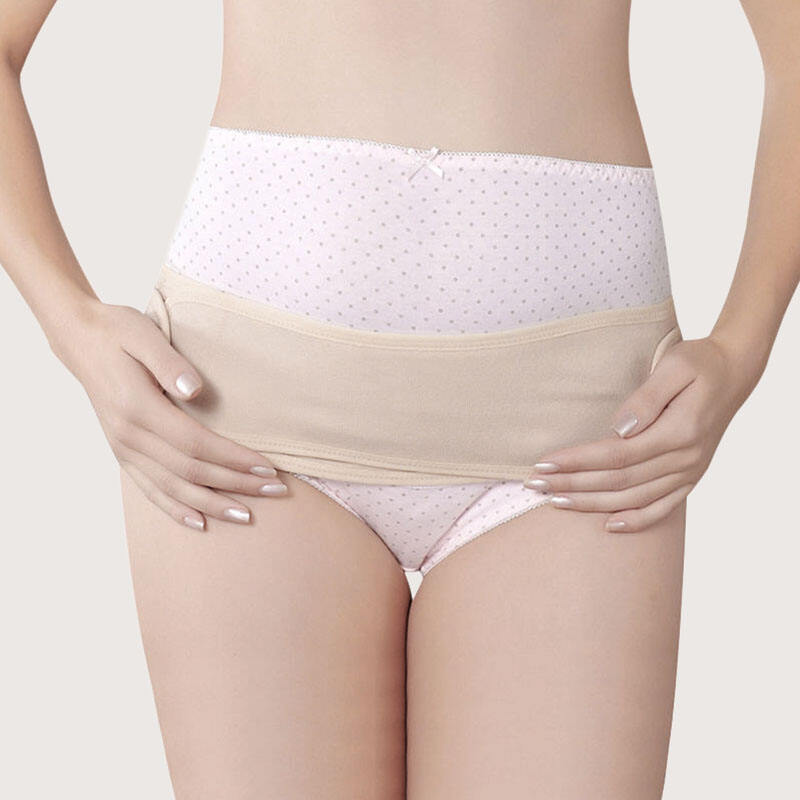
· Well-fitted, high-waisted underwear: Can deliver gentle shaping without excessive restriction.
· Posture-focused undergarments: Emphasize lumbar support, reducing the risk of compression on stomach organs.
How can I reduce the risk of skin irritation, breakouts, or infections?
· Choose microfiber-cotton blends or highly-breathable fabrics.
· Avoid wearing shapewear in hot, humid environments, or during physical exertion.
· Shower after use and thoroughly dry all skin folds.
· Avoid daily use—give your skin regular breaks.
· If you notice persistent redness or itching, stop using the garment and consult a dermatologist.
Conclusion: Should You Avoid Shapewear for Stomach Pain?
Shapewear can enhance confidence but may cause stomach pain, acid reflux, urinary issues, breathing problems, nerve compression, and skin irritation if too tight or worn too long. To use safely, choose a proper fit, breathable fabrics, and light-to-moderate compression. Limit wear time to under eight hours, avoid sleeping in it, and remove it if you feel pain or discomfort. Consult a doctor if symptoms persist. Shapewear should boost confidence—not harm health—so prioritize comfort and body awareness for true confidence and well-being.

 Hot News